Looking for a sleek, move-in-ready modern home in Encinitas but not seeing much on the market? You are not alone. New construction along the coast is limited, and many projects are small infill builds that never hit broad public channels. This guide shows you where modern new builds tend to appear, how coastal rules shape what gets built, and the smartest ways to find opportunities early. Let’s dive in.
What “modern new build” means in Encinitas
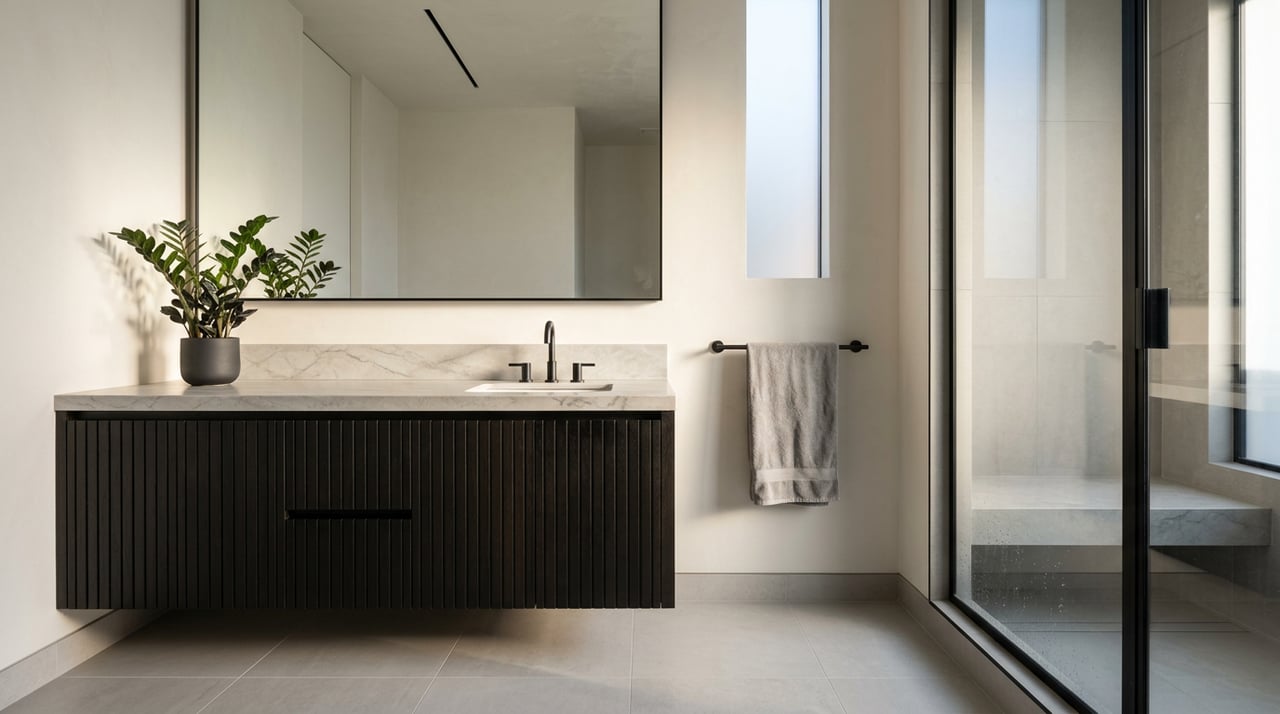
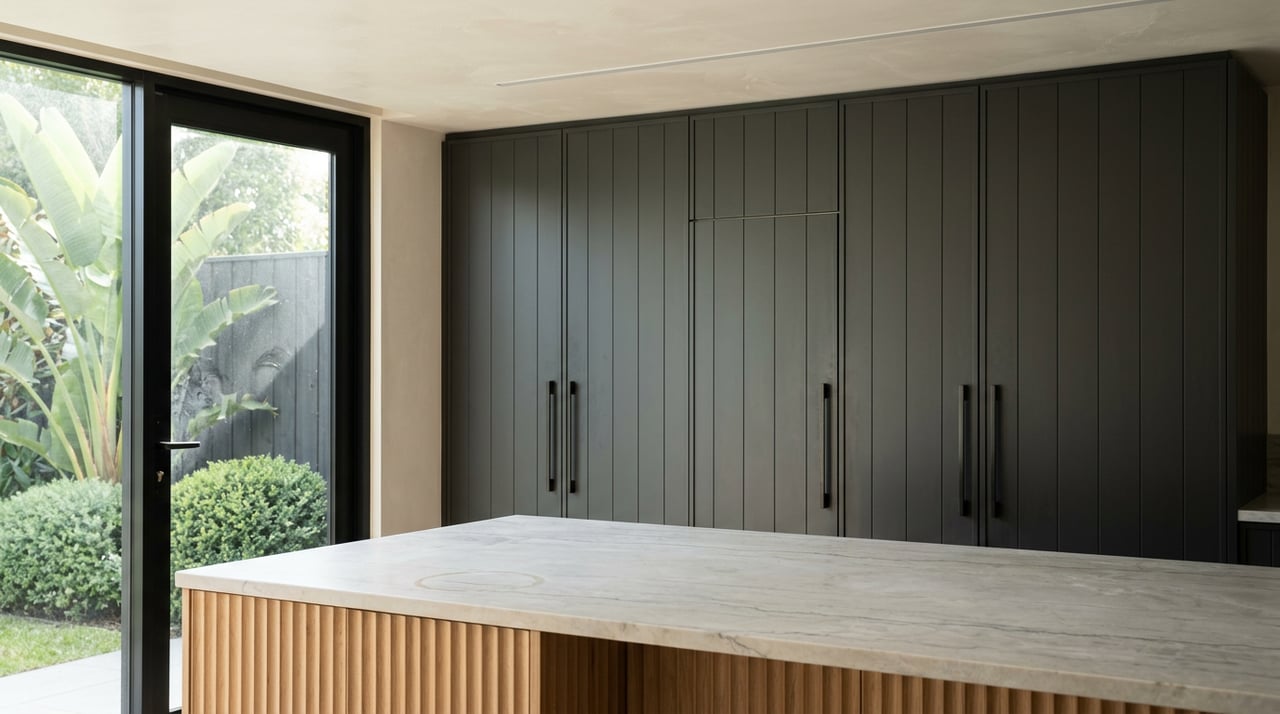
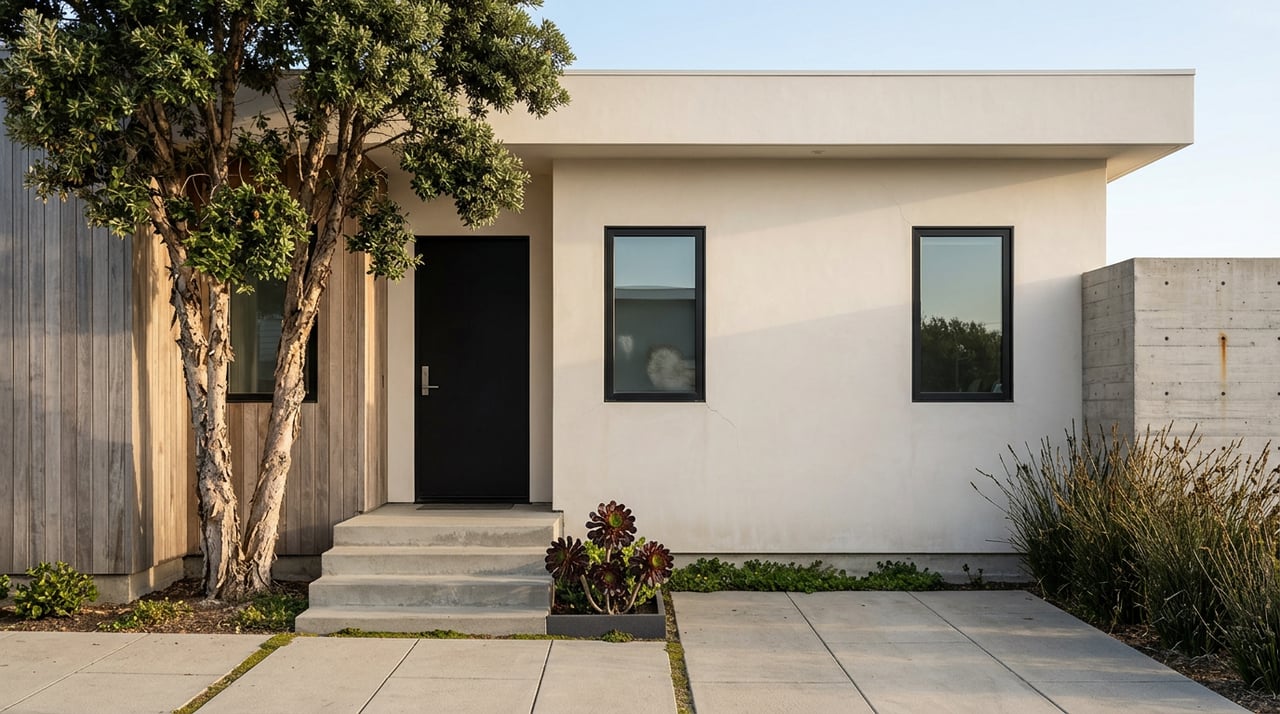
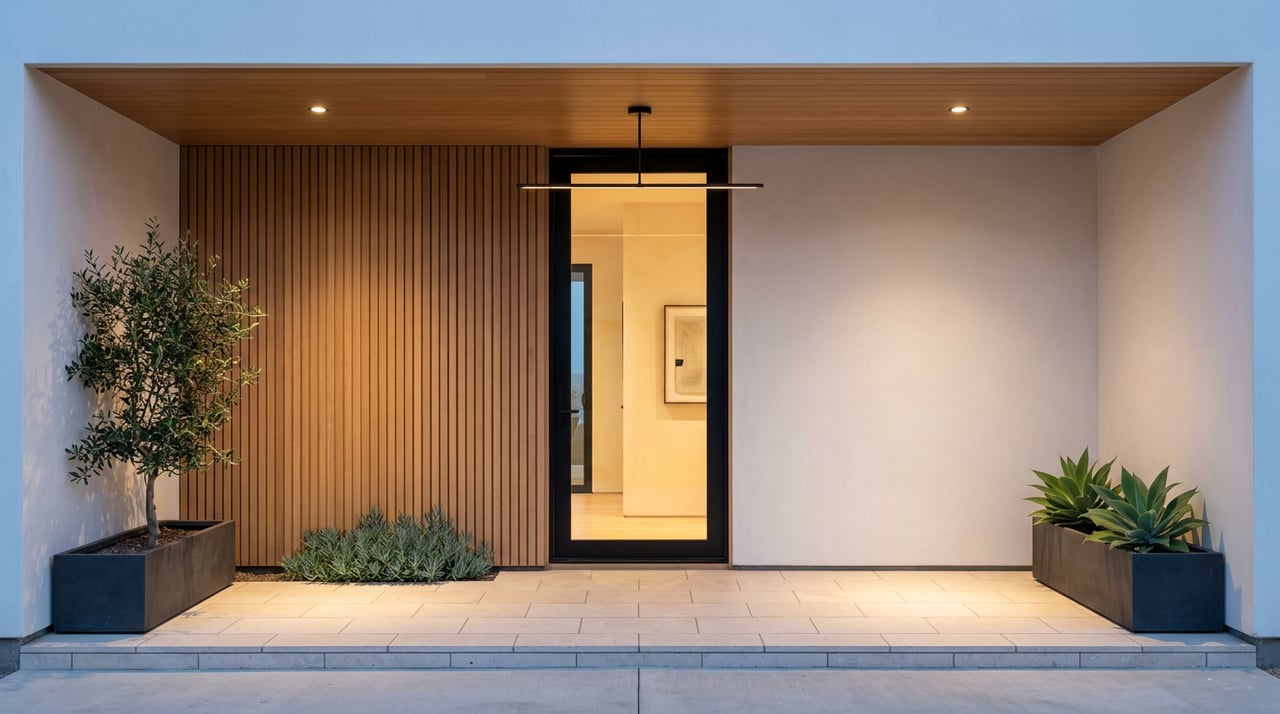
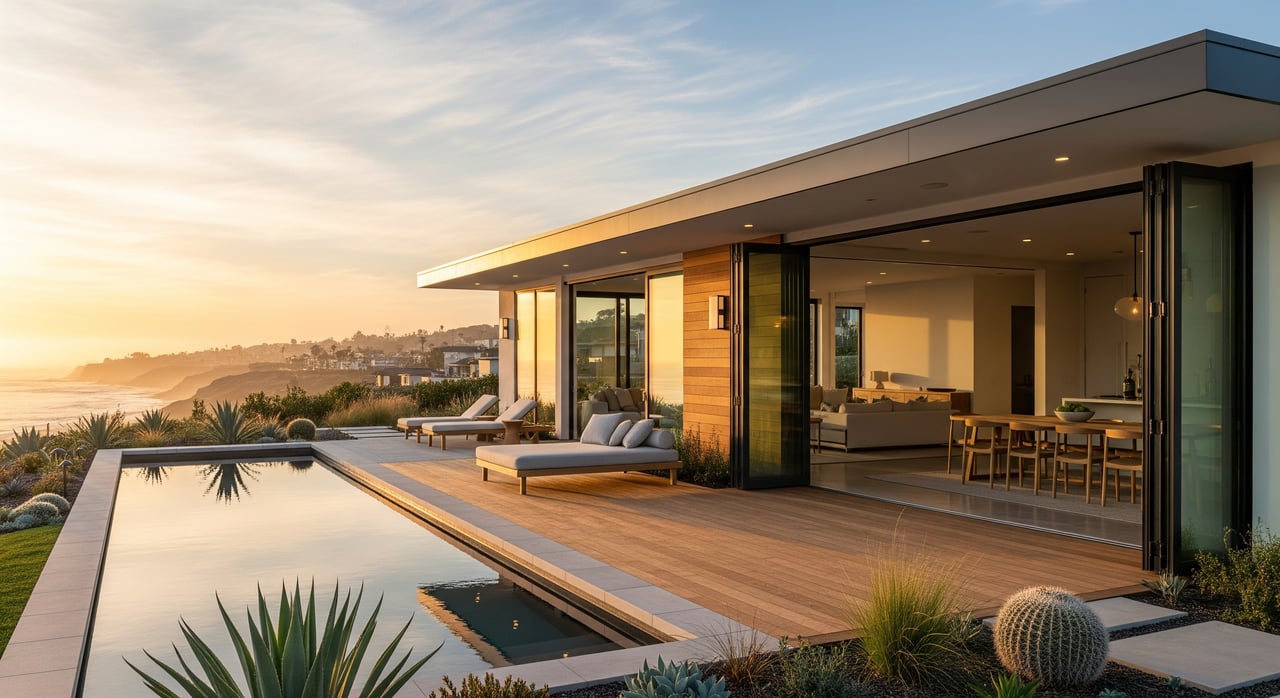
Modern homes in Encinitas usually highlight clean architecture and indoor-outdoor living. You will see open floor plans, large expanses of glass, and low-pitched or flat roofs. Many include roof decks, sliding glass walls, and private courtyards for everyday coastal living.
Inside, expect high-end kitchens, integrated smart-home controls, and energy-efficient systems. EV charging readiness is common. Finishes often blend natural and industrial elements like wood, metal, concrete, or terrazzo. Sustainability features such as solar, efficient windows, LED lighting, and water-wise landscaping are typical due to California building standards and buyer preferences.
Best places to look in Encinitas
Leucadia: Infill and rebuilds near the coast
Leucadia has pockets of older homes on attractive lots that are candidates for tear-downs and rebuilds. Many contemporary single-family homes here replace older structures and add roof decks or view-oriented design. Coastal permitting and setbacks still apply, so sites and designs vary by lot.
Encinitas Village: Walkable infill close to amenities
Downtown Encinitas and nearby streets see regular single-family replacements and small-lot projects where zoning allows. Expect modern architecture on compact lots, plus features like EV-ready garages and indoor-outdoor layouts. Check local rules on setbacks and lot coverage before you evaluate design potential.
Cardiff-by-the-Sea: High-value coastal sites
Cardiff’s limited inventory and bluffside settings make new builds selective. When they happen, they tend to be design-forward replacements on existing lots. Bluff stability and coastal setbacks can shape the footprint and timeline, so you will want a careful review of geotechnical and coastal conditions.
Olivenhain and inland pockets: Larger lots and custom builds
Inland areas and Olivenhain offer larger parcels that support custom modern homes and newly created small subdivisions. You will see contemporary estates with generous yards and more flexibility for layouts, accessory structures, and outdoor spaces compared with tight coastal lots.
Small-lot subdivisions and townhomes
Where zoning allows, some larger parcels are re-parceled into small-lot subdivisions or townhome clusters. These often replace underutilized sites, such as older commercial or auto-oriented properties, and provide new-home options with lower maintenance than a standalone custom home.
Mixed-use and multifamily near commercial corridors
Occasional boutique condo and mixed-use projects appear along commercial streets and transit corridors. Scale is often modest due to coastal constraints, but these buildings can deliver contemporary design and turnkey convenience in central locations.
How coastal rules shape what gets built
Encinitas sits within the state’s coastal zone. That means coastal regulations guide where and how new homes take shape.
- Local Coastal Program and permits. Many projects must be consistent with the Local Coastal Program and may require a Coastal Development Permit. Review the city’s Planning & Building resources and the state’s policy guidance through the California Coastal Commission. You can find local procedures and contacts on the City of Encinitas website.
- Setbacks, bluffs, and access. Coastal setbacks, bluff stability, and public access requirements can limit buildable areas and affect design. Properties near bluffs or steep slopes often need geotechnical studies.
- Flood and sea-level considerations. If a property is near mapped flood zones, insurance and design decisions may change. You can confirm status on the FEMA Flood Map Service Center.
- Permits and timelines. New single-family homes need plan check, building permits, inspections, and sometimes coastal approvals. Timelines range from months to over a year based on review scope. Start with the Encinitas Planning & Building Division for process details.
- Energy and green standards. New builds follow California’s Title 24 energy code and CALGreen requirements. Learn more through the California Building Standards Commission and the California Energy Commission.
How to find modern new builds first
Work with a local agent who tracks permits
Many Encinitas new builds are one-off projects marketed through local networks before they reach major portals. Partner with an agent who monitors building permits, planning agendas, and builder pipelines. Agents who attend planning hearings or track permit records can alert you to projects before model homes or public listings appear.
For market context and active inventory across the county, you can also reference resources from the San Diego Association of Realtors.
Monitor permits and planning calendars
You can spot upcoming projects by scanning city agendas, public notices, and active permits. Review the City of Encinitas Planning & Building pages for current applications, hearing schedules, and permit searches. This approach often reveals projects months before construction finishes.
Use new-home listing services and builder sites
Regional and national platforms aggregate new-construction listings across small-lot subdivisions and townhome communities. Sites like NewHomeSource can help you find model homes and builder releases in Encinitas and nearby North County cities.
Follow local media and community updates
Larger proposals and planning debates are often covered by regional media. Keep an eye on the development beat at the San Diego Union-Tribune. Community groups and neighborhood boards may also post notices of outreach meetings and open houses.
Buyer considerations to keep in mind
Price expectations and comps
New-construction modern homes command a premium over older stock due to design, technology, and energy performance. Coastal locations add another layer of scarcity. Work with your agent to build a comp set that adjusts for lot size, views, architecture, and efficiency features rather than relying on older nearby sales alone.
Inspections, warranties, and permit closeout
Even with new construction, arrange independent inspections. Consider a foundation check, pre-drywall review, and final systems walkthrough. Confirm that all permits are finaled and that the as-built home matches approved plans. For production homes, review builder warranties and statutory protections.
Financing and appraisal
Unique modern design and energy features can challenge appraisals. Make sure your lender and appraiser understand the value of high-performance systems and design upgrades. If you are purchasing pre-completion, discuss construction-to-permanent financing options and align your contract with the build schedule.
HOA, maintenance, and operations
Townhomes and small subdivisions typically include HOAs. Review CC&Rs for design standards, maintenance responsibilities, and any rental or use rules. Modern homes with roof decks and expansive glazing may have different maintenance profiles. Ask for manufacturer specifications and service schedules for mechanical systems, solar, and EV components.
Insurance, flood, and coastal risk
Coastal exposure can influence insurance pricing and underwriting. Confirm flood status using FEMA’s Flood Map Service Center and review any bluff, slope, or erosion studies provided by the seller. Understanding these factors early helps you budget and negotiate with confidence.
For owners and sellers: rebuild or sell as-is
If you own an older Encinitas property on a strong lot, you may be weighing a sale to a builder, a full rebuild, or a list-as-is approach. Each path depends on zoning, coastal constraints, and your timeline. A feasibility review that considers setbacks, likely envelope, parking, and energy codes can reveal the land value uplift from a modern rebuild. If a full construction project is not appealing, marketing the property to buyer-builders can still capture part of that uplift without the build risk.
A strategic pre-list plan might include permit strategy, design concepting, and curated outreach to developer-buyers. That approach can shorten days on market and focus attention on the site’s highest use rather than only the existing structure.
Your next step
If you want curated access to modern new builds, or a feasibility read on your property’s potential, connect with a local advisor who pairs deep coastal knowledge with builder and planning insight. For private opportunities, early-stage permit tracking, and end-to-end guidance, reach out to the Ryan Real Estate Group.
FAQs
Where in Encinitas are modern new builds most common?
- Infill lots in Leucadia and Encinitas Village, select sites in Cardiff-by-the-Sea, and larger-lot opportunities in Olivenhain and inland pockets, plus small-lot or townhome projects where zoning allows.
How do coastal permits affect a new home near the beach?
- Many projects require compliance with the Local Coastal Program and may need a Coastal Development Permit that can add conditions, reshape the footprint, and extend timelines per the California Coastal Commission and the City of Encinitas.
What is the fastest way to find an off-market or early-stage new build?
- Monitor Encinitas permits and planning agendas, work with a local agent who tracks builder pipelines, and stay in touch with boutique builders and architects active in coastal North County.
What inspections should I order on a brand-new home?
- Schedule independent inspections including pre-drywall and final systems checks, then verify permits are finaled and the home matches approved plans per city building protocols.
Do modern features change insurance costs near the coast?
- Specialized systems and coastal exposure can influence maintenance and premiums, so confirm flood status with FEMA’s maps and review site reports before you bind coverage.
What do Title 24 and CALGreen mean for my new home?
- They set minimum energy and green building standards in California, influencing windows, HVAC, solar readiness, and water efficiency per the Building Standards Commission and Energy Commission.