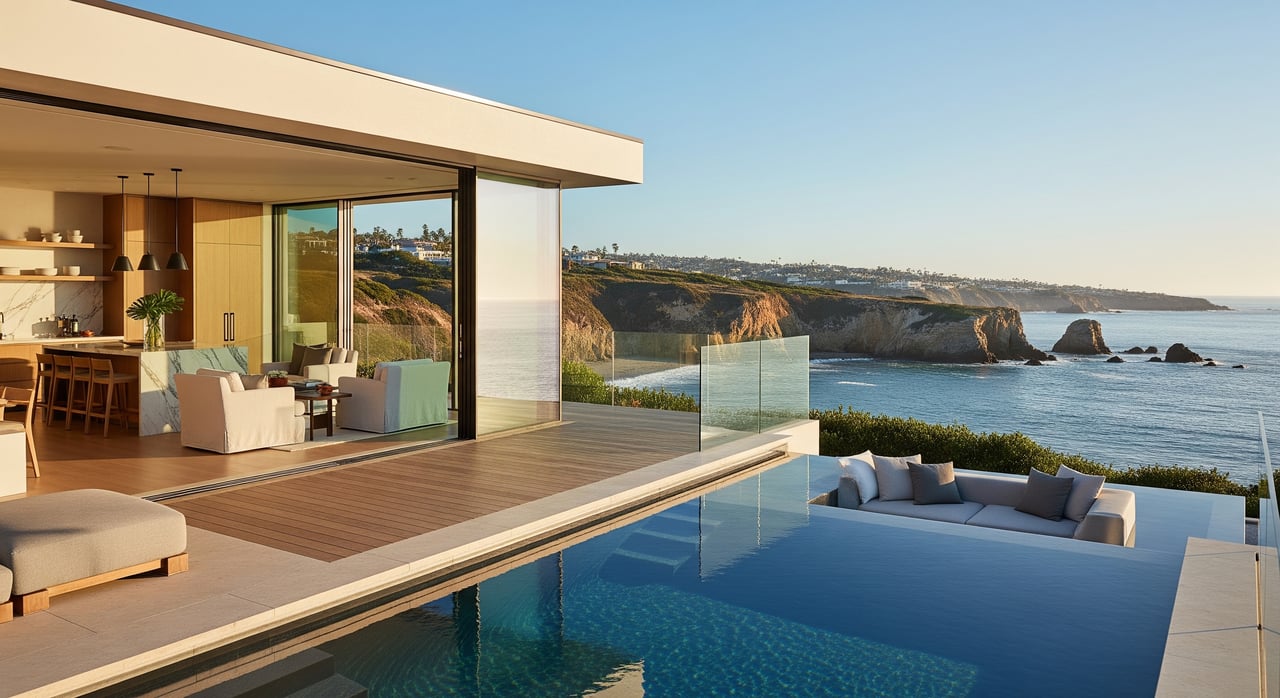
Pricing a luxury home in La Jolla is not about slapping a price per square foot on the brochure. The right number can add or subtract seven figures from your outcome. If you are considering a sale, you likely know your home is unique and want a clear, defensible plan to reach the right buyers at the right price. In this guide, you’ll learn how top La Jolla agents evaluate view premiums, architecture, renovations, scarcity, and timing to set a smart list price. Let’s dive in.
Value drivers in La Jolla
Location and micro-location
La Jolla is a collection of distinct enclaves. The Village, La Jolla Shores, Bird Rock, the Muirlands, and Mount Soledad each carry different expectations for lot size, architecture, and privacy. Even within a few blocks, small changes in elevation and sightline can shift value.
Ocean proximity and exposure matter. Direct, unobstructed ocean views or bluff-top positions command significant premiums. West and south exposures often offer stronger light and horizon views, which many buyers prize.
Scarcity and parcel characteristics
Rarity drives value. True oceanfront, large estate lots, and historically significant properties are limited, and they often set the ceiling for nearby pricing. Lot size, usable outdoor areas, privacy, and landscaping are compared against neighborhood norms.
Development potential and permitted accessory units can be value adds for specific buyers. Zoning and entitlements affect both future options and buyer confidence, so experienced agents flag them early.
Architectural caliber and provenance
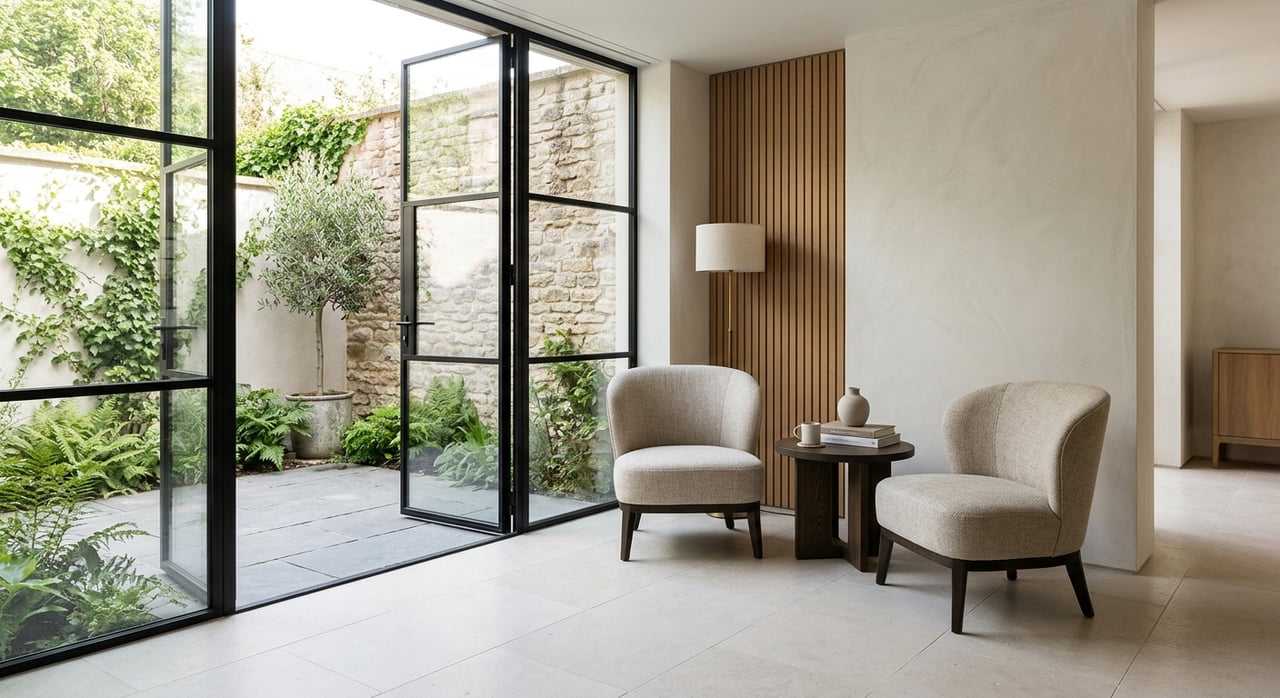
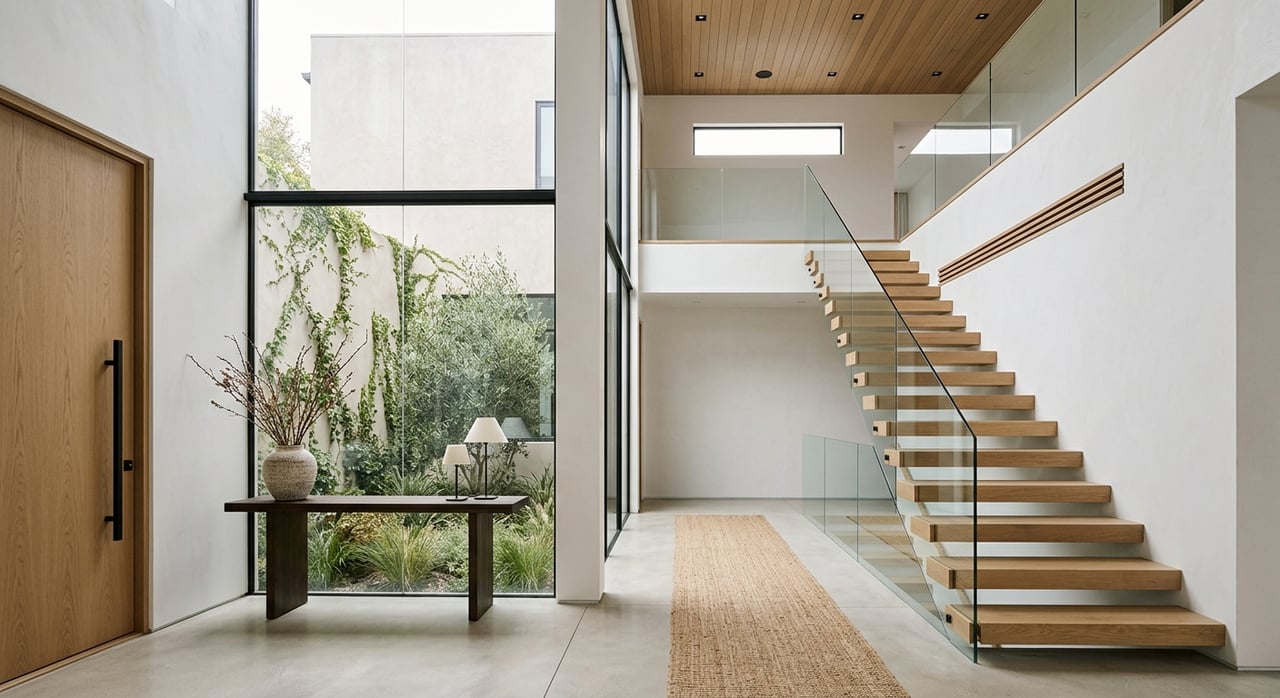
Homes by noted architects, or residences with custom craftsmanship and strong design, tend to attract premium buyers. Floor plan flow, ceiling heights, and indoor to outdoor transitions shape perceived livability. High-quality materials and unique details are treated as multipliers rather than simple line items.
Renovation scope and systems
Recent, well-documented upgrades support higher pricing. Kitchens, baths, roofing, HVAC, and smart home systems all factor into marketability. Work completed with permits and warranties reduces friction for buyers. In contrast, major improvements without documentation trigger discounts or delays.
Views and visual premiums
View quality is often the single largest adjustment in La Jolla pricing. Agents compare closed sales with similar view types, then adjust for clarity and permanence. A sweeping, permanent ocean panorama is not valued the same as a partial glimpse over rooftops. Line-of-sight risk is evaluated so buyers understand what is likely to remain unchanged.
Condition, presentation, and turnkey readiness
Move-in ready homes attract a wider audience and typically command stronger offers. Staging and media matter at the luxury level. Professional photography, twilight shoots, drone footage, and cinematic video increase perceived value and reach.
Market liquidity and timing
Inventory and demand shape strategy. In a tight luxury segment, fewer true comparables and low supply support firmer pricing. Agents watch active to pending ratios and days on market, and they time launch windows when buyer activity is strongest.
Legal, title, and environmental factors
Easements, coastal development rules, bluff setbacks, and erosion concerns can narrow the buyer pool. Oceanfront properties often require Coastal Commission awareness. These realities do not disqualify a sale, but they influence pricing and negotiation.
How top agents set your list price
Build a luxury-grade CMA
A luxury comparative market analysis focuses on quality over quantity. Agents prioritize very recent closed sales, pending deals, and key active competition within a tight radius that matches critical attributes like view, lot, architecture, and condition. When product is scarce, they widen the radius to find truly similar homes.
Adjustments are made for differences in view, renovation level, amenities, and parcel features. These are documented with photos, specification lists, and plan details. The most recent 3 to 12 months guide the analysis, with shorter windows in shifting markets.
Use price bands and thresholds
The best agents set a range, not a single number. You will see an aspirational high, an expected market level, and a conservative list option. Each carries trade-offs. A higher list may test the ceiling but risks longer market time. A sharper, competitive list can expand exposure, create urgency, and invite stronger negotiations.
Psychological price thresholds are real. The choice between $3.99 million and $4.25 million may place your home in different buyer search buckets. The goal is to match your property and buyer pool with the threshold that maximizes qualified visibility.
Market test with intention
Some sellers prefer to list “clean” at market value to move quickly. Others start higher to engage aspirational buyers while targeted outreach runs in parallel. Quiet marketing to qualified buyers, including off-market conversations, can validate interest before or alongside full MLS exposure.
The marketing mix aligns with your price point. Studio-quality photography, cinematic video, floor plans, and a property website support premium positioning. Broker opens and private showings are timed to capture early momentum.
Aim at the right buyer pool
Pricing speaks to a specific audience. Local high-net-worth professionals, relocation buyers from Los Angeles or the Bay Area, and international buyers each respond to different property narratives. Agents tailor list price and messaging around what your likely buyer values most: walkability in the Village, beach access in La Jolla Shores, or privacy and views on the hillsides.
Build in negotiation room
Luxury deals often have fewer total bids, but negotiations can be larger per offer. Experienced agents anticipate common credits and concessions, then recommend a list price that preserves your target net after a realistic set of scenarios.
Use ancillary valuation inputs
If your buyer will use financing, aligning with what appraisers support reduces risk. For all-cash or private sales, an appraisal may not be decisive, but it can bolster buyer confidence. Price per square foot remains a useful check, though it is not definitive in a market where view, land, and architectural quality vary widely.
Seller preparation that supports pricing
- Gather documentation. Permits, contractor invoices, warranties, HOA disclosures, surveys, and maintenance records help validate value and reduce buyer friction.
- Consider pre-listing inspections. Roof, pool, pest, and major systems inspections surface issues early and can streamline negotiations.
- Tackle market-ready improvements. Prioritize kitchens, baths, curb appeal, and deferred maintenance. Avoid over-improving beyond neighborhood expectations.
- Invest in presentation. High-resolution photography, drone/video, floor plans, and a schematic site plan elevate your launch. For luxury, this is standard.
- Coordinate legal and tax counsel. If you have complex ownership or estate considerations, engage your advisors before going to market.
Questions to ask a prospective listing agent
- How many comparable La Jolla luxury listings have you sold in the past 24 months, and how did final prices compare to list?
- What is your target buyer profile for my home, and how will you reach them? May I see sample marketing materials?
- Which comps will you use, and how will you justify adjustments for my view, architecture, lot, and permits?
- What staging and media budget do you recommend, and who will produce it?
- Will you start competitive, aspirational, or aggressive on price, and what are your triggers for a price adjustment?
- What is your track record with off-market or discreet placements, and how do you balance that with MLS exposure?
- Which appraisers know La Jolla luxury, and should we consider a pre-listing appraisal?
Common scenarios and smart responses
“How much does my view add?”
There is no single percentage. Agents show recent sales with matching view quality and quantify the gap. They also consider permanence by studying potential future obstructions. This is usually one of the largest adjustments in your pricing model.
“Should I renovate before listing?”
It depends on return on investment and local expectations. Cosmetic updates and systems with clear permits often improve net proceeds. Large-scale renovations should be weighed against the time and risk they add.
“MLS or private sale?”
Both can work. MLS exposure maximizes buyer pool and competition. Discreet sales can suit privacy needs, though they may limit price discovery. Some strategies combine private outreach to qualified buyers with controlled public exposure to balance both.
“How much room should I leave for negotiation?”
Your agent should model likely scenarios with typical concessions for the segment. In luxury, expect fewer offers and deeper single-bid negotiations. Price to protect your net while keeping the home attractive to the right buyers.
Why this approach works in La Jolla
La Jolla’s luxury market is defined by scarcity, diverse product, and view-driven value. A precision approach that isolates location, view quality, architecture, renovations, and parcel features gives you a pricing narrative buyers and appraisers can follow. When paired with premium presentation and strategic exposure, this process positions you to maximize your result with confidence and clarity.
If you are weighing timing, improvements, or an off-market path, let’s align pricing strategy with your goals and privacy preferences. For a discreet, data-backed opinion of value and a tailored launch plan, connect with the Ryan Real Estate Group. Request a Private Concierge Valuation.
FAQs
How do La Jolla agents value ocean views when pricing a luxury home?
- They compare recent closed sales with similar view type, then adjust for clarity and permanence, since view quality is often the largest single pricing factor.
What comps do top agents use to price a La Jolla luxury property?
- They prioritize the last 3 to 12 months of closed and pending sales that match key attributes like view, lot, architecture, and condition, expanding the radius only when necessary.
Should a La Jolla seller renovate before listing a high-end home?
- Only if the updates offer a clear return. Cosmetic upgrades and documented systems often help, while full remodels require careful cost, timing, and neighborhood benchmarking.
What is the benefit of staging and premium media for luxury listings?
- Professional staging, photography, video, and drone work increase perceived value and buyer engagement, which supports firmer pricing and stronger offers.
Is listing off-market better than going on the MLS in La Jolla?
- Off-market can protect privacy and test interest, while MLS maximizes reach and competition. Many sellers use both, with targeted private outreach and controlled public exposure.
How much negotiation buffer should I build into my list price?
- Your agent should model common concessions and set a list price that preserves your target net while remaining compelling to the right buyer pool.