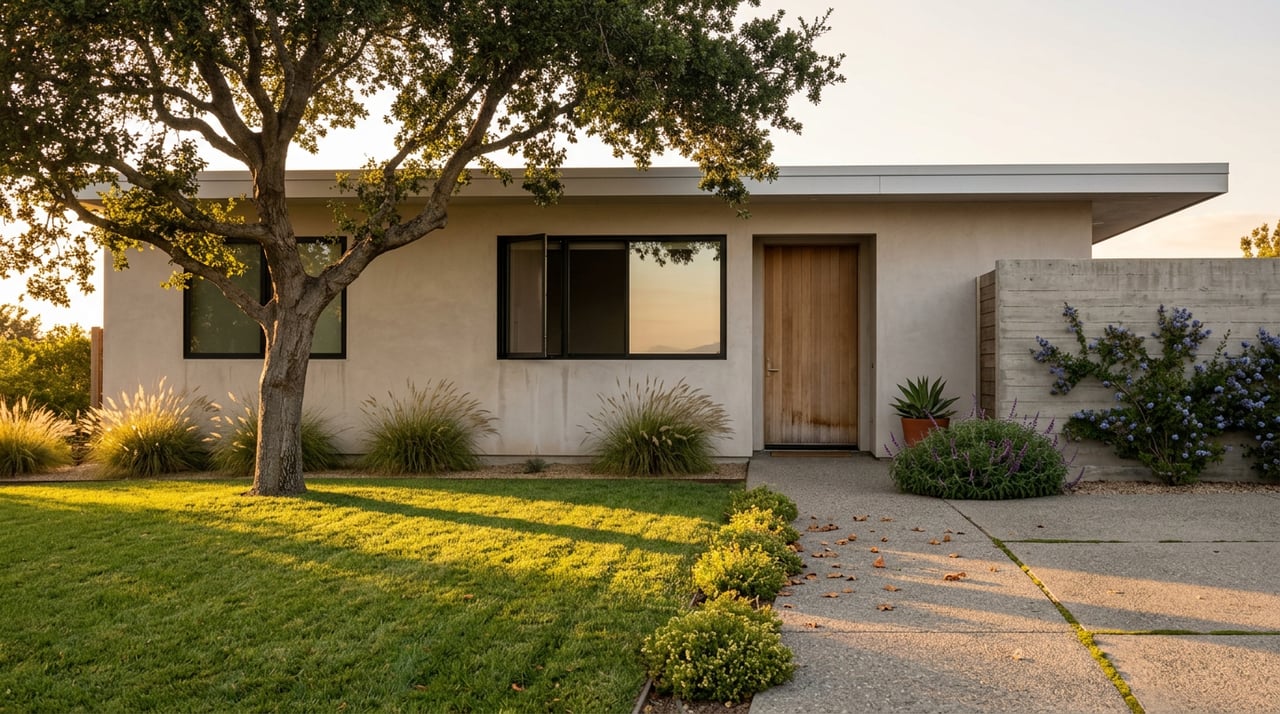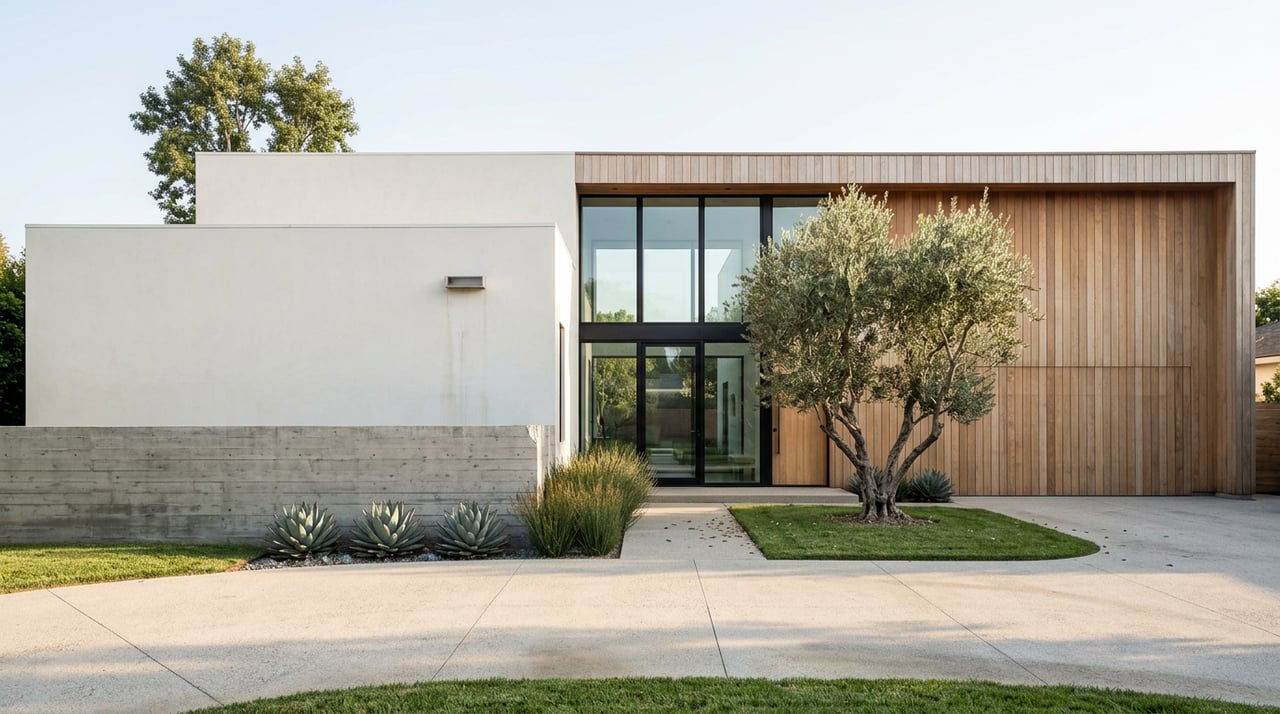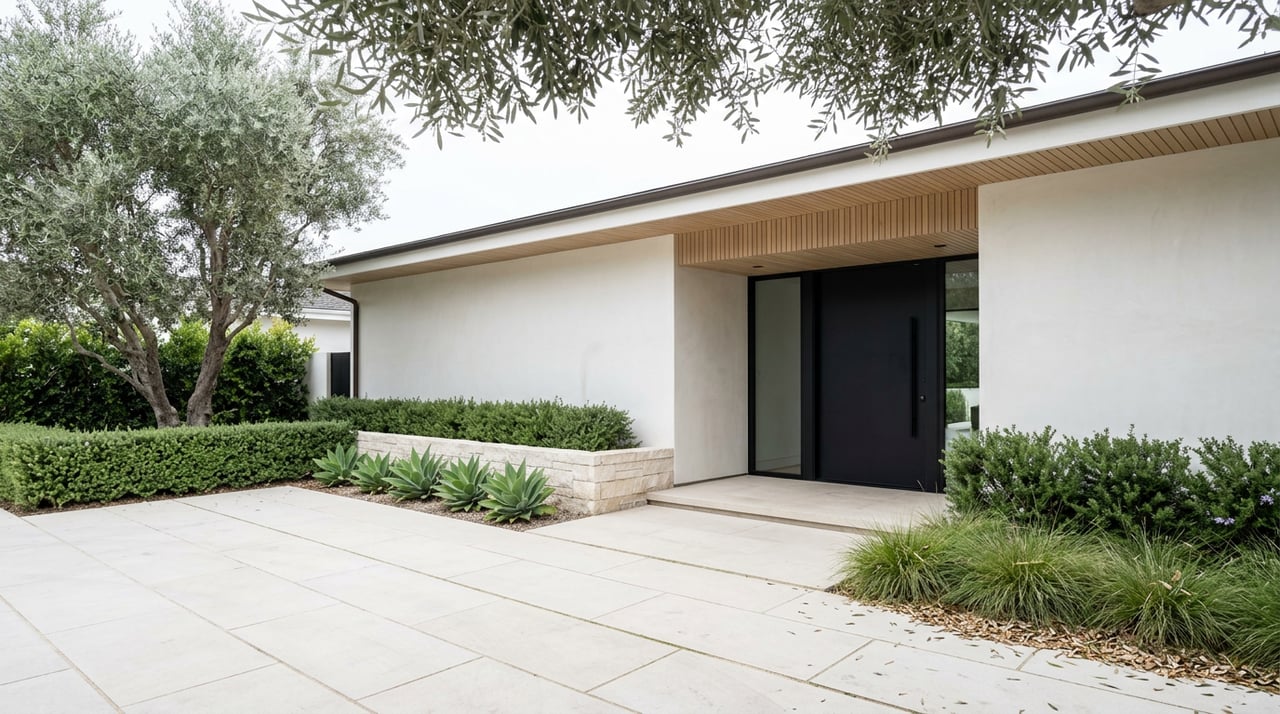
Trying to make sense of La Jolla’s 30-foot height limit before you buy, build, or remodel? If you are eyeing ocean views or a major redesign, this single rule can shape everything from massing and ceiling heights to your permit timeline. You want clarity now so you can plan with confidence and avoid costly surprises. In this guide, you will learn where the limit applies, how height is measured on sloped lots, what exceptions exist, and the smart steps to take before you commit. Let’s dive in.
What the 30-foot limit is
The 30-foot coastal height limit is a cap on how tall you can build in parts of the City of San Diego’s coastal zone, including large areas of La Jolla. It is designed to limit building mass near the coast and help preserve public views and neighborhood character. Not every La Jolla property is subject to the 30-foot limit. Applicability depends on your exact location within the City’s Coastal Overlay Zone and the mapped Coastal Height Limit area.
Where it applies in La Jolla
La Jolla sits entirely within the City of San Diego, but coastal rules are influenced by two layers. At the state level, the California Coastal Commission oversees the Coastal Act and coastal permitting. At the city level, the Coastal Overlay Zone and a mapped Coastal Height Limit determine if the 30-foot cap applies to your parcel. Portions of La Jolla fall inside these mapped areas, while others do not.
How to check a parcel
- Review the City of San Diego’s official Coastal Height Limit map or GIS to see if your parcel lies within the 30-foot area.
- Get written confirmation from a City planner or Development Services. Verbal map checks are preliminary.
- Review the La Jolla Community Plan and any Planned District Ordinances that may set different height rules or add restrictions.
How height is measured
Height is measured from a defined grade reference to the highest point of the structure, based on the City’s Land Development Code and coastal policies. On coastal and hillside lots, the definition of “grade” matters. The difference between measuring from average natural grade or highest natural grade can materially change what you can build.
What counts and what may not
- Typically counted: habitable stories, enclosed rooftop stair or elevator overruns, and parapets that project above the measuring point.
- Often allowed as limited projections: chimneys, some antennas, certain mechanical equipment, and some elevator or solar structures if within specified limits.
- Rooftop decks and guardrails can be treated differently depending on whether they create occupied space or require enclosures that extend above 30 feet. Confirm details with a City planner early.
Sloped and bluff lots
On sloped or bluff-top sites, a boundary-tied topographic survey is essential to establish natural grade and confirm the true height of any design. Bluff properties often face added geotechnical requirements and setbacks that reduce buildable area regardless of height. A small shift in grade interpretation can be the difference between compliance and redesign.
Exceptions and permits
Some paths exist to request height relief, but approvals above 30 feet are difficult and highly discretionary. Most coastal projects also trigger coastal permits.
Common permit routes
- Coastal Development Permit (CDP). Many coastal projects require a CDP to confirm consistency with the Coastal Act and the local coastal program. Height is part of that review.
- Variances or plan-based exceptions. Variances require specific findings and are rare without strong justification and neighborhood and City support.
- Planned Districts or site-specific rules. Certain areas governed by a Planned District Ordinance or plan can have different height rules or allow limited deviations. Verify what applies to your parcel.
- Legal nonconforming structures. If an existing building over 30 feet was legally permitted under prior rules, it may be legal nonconforming. The ability to repair, replace, or expand varies and may require bringing the structure into compliance.
Coastal Commission oversight and appeals
CDP approvals within the coastal zone can be appealed to the California Coastal Commission if the area is within the Commission’s appeal jurisdiction. Projects proposing to exceed the 30-foot limit face a higher chance of appeal and more scrutiny on visual and coastal resource impacts.
Why exceptions are often denied
- Visual impacts to public coastal views or conflicts with neighborhood character policies.
- Lack of a compelling need or feasible alternatives that meet local coastal program policies.
- Conflicts with bluff stability or coastal hazard recommendations from geotechnical consultants.
Design and redevelopment implications
The 30-foot cap changes how you plan volume, circulation, and roof use. Good early strategy helps you preserve livability and design quality without tripping height limits.
Design envelopes and massing
On typical La Jolla slopes, designers often step buildings into the hillside, place service areas partially below grade, and fine-tune floor-to-ceiling heights. Light wells and courtyards can bring natural light to mid-level spaces while keeping overall height within 30 feet. Rooftop mechanicals and access enclosures are kept minimal and thoughtfully located to avoid projecting above the limit.
Luxury homes within 30 feet
High ceilings are a hallmark of luxury, but within a 30-foot cap you may need tradeoffs. You can expand the footprint to gain volume, use mezzanines to create drama without extra height, or terrace the home to align with the slope. A well-planned garage or utility level below grade helps reserve height for living spaces and view rooms.
Other coastal constraints to factor in
Beyond height, coastal projects often face bluff setbacks, erosion and stability requirements, and environmental or historic resource checks. Stormwater and drainage standards also shape footprints and grades, which indirectly affect height. Plan for these constraints from the start, since they can limit buildable area as much as the height cap.
Due diligence checklist
- Confirm height limit status for the parcel
- Use the City’s Coastal Height Limit map or GIS and request written confirmation from City Planning or Development Services.
- Order a boundary-tied topographic survey
- You need accurate natural grade data to measure height correctly on sloped lots.
- Review zoning and local plans
- Check the La Jolla Community Plan, any Planned District Ordinances, and prior permit conditions.
- Pull permit history and as-builts
- Verify legality of existing structures and whether any are legal nonconforming or carry past variances or CDPs.
- Commission a preliminary geotechnical memo for bluff or slope sites
- Setbacks and stability recommendations can drive design even more than height.
- Map out the likely permit path
- Confirm if a CDP, variance, or other discretionary approval is needed and discuss strategy with a coastal permit specialist or land-use attorney.
- Seek a height verification or planner interpretation
- If measurement is complex, request an official interpretation from the City early.
- Screen for archeological, biological, and floodplain issues
- These can add requirements and time.
- Engage a coastal-experienced architect
- Choose a team that regularly designs within the 30-foot envelope in La Jolla.
- Budget realistic time and costs
- Plan for public outreach, hearings, and potential appeals in La Jolla’s active review environment.
Typical timelines and costs
Administrative zoning checks can take days to weeks. A topographic survey and a preliminary geotechnical memo typically take 2 to 8 weeks. CDP processing ranges widely. Simple administrative CDPs can run 3 to 6 months, while discretionary projects and appeals can extend 6 to 18 months or more.
Professional costs add up. Surveys, geotechnical work, coastal consultants, and experienced coastal architects or land-use attorneys can total tens of thousands on smaller projects and more for major redevelopments. Allow time for community outreach, given La Jolla’s high interest in view and design outcomes.
Work with a coastal-savvy advisor
If you are evaluating a La Jolla home or redevelopment opportunity, aligning your vision with the 30-foot height limit is essential. The right team helps you confirm the map status, interpret grade on a sloped site, anticipate CDP and variance feasibility, and shape a design that respects views while achieving your goals. This makes your offer, your timeline, and your outcome stronger.
If you want discreet, end-to-end guidance for a high-value purchase or redevelopment, connect with the Ryan Real Estate Group. Our team coordinates due diligence, design readiness, and marketing strategy for seven and eight-figure properties. Request a Private Concierge Valuation and move forward with clarity.
FAQs
Can you exceed 30 feet in La Jolla?
- It is possible but difficult, often requiring a CDP and variance with strong findings and a high level of City and Coastal Commission scrutiny.
Do rooftop decks count toward height in San Diego’s coastal zone?
- Decks may be allowed if they do not require enclosures that project above 30 feet; access structures, guardrails, and parapets can count toward height.
How are basements treated under the 30-foot limit?
- Basements truly below natural grade often do not count toward height, but exposed levels may be considered a story; confirm with a survey and City interpretation.
How is building height measured on sloped La Jolla lots?
- The City’s code defines grade references such as average or highest natural grade; the correct reference and a topographic survey are essential.
What happens if an existing home is over 30 feet?
- If it was legally permitted at the time, it may be legal nonconforming; rules for repair, replacement, or expansion vary and may require bringing it into compliance.
How long does a Coastal Development Permit take in La Jolla?
- Simple administrative CDPs can take 3 to 6 months; discretionary projects and appeals can extend to 6 to 18 months or longer depending on complexity.
What should I do before making an offer on a bluff or view lot?
- Confirm height map status, order a topographic survey, seek preliminary geotechnical input, and discuss the permit path with a coastal specialist before committing.