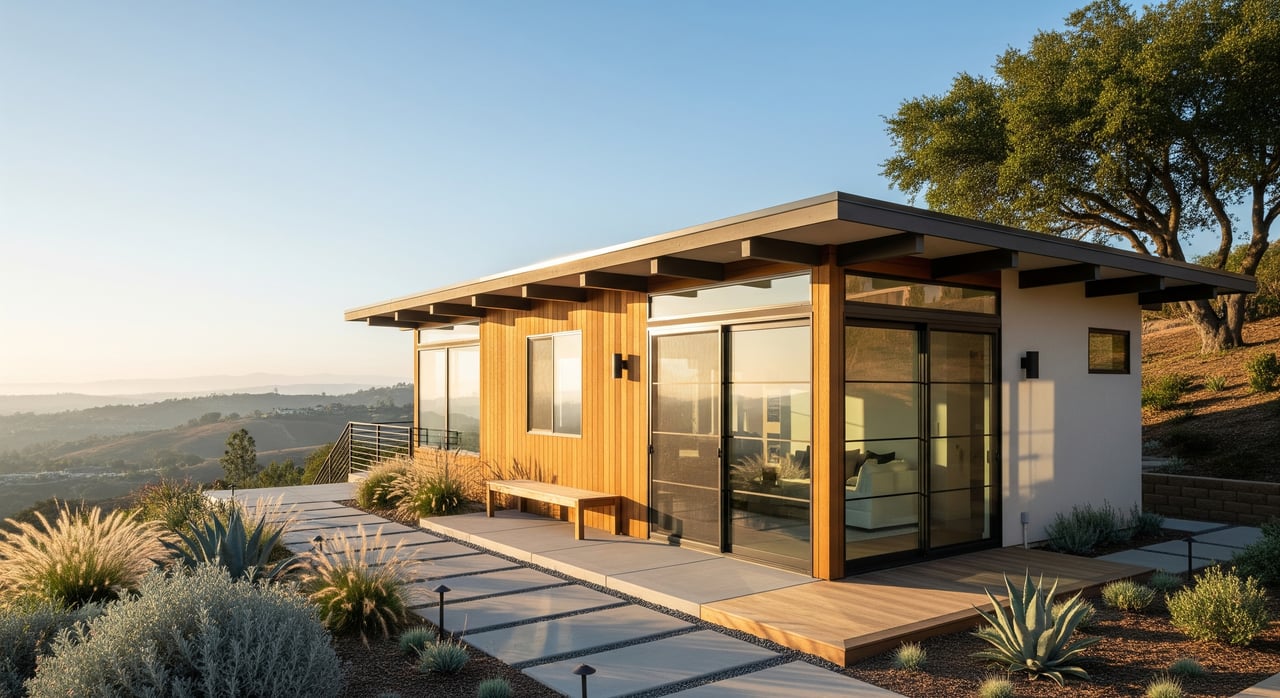
Thinking about adding an ADU to your Rancho Bernardo property but not sure how to fund it? You are not alone. With evolving city rules and many loan types, knowing where to start can save you time and money. This guide breaks down 2025 financing options, local incentives, costs, and timing so you can move forward with clarity. Let’s dive in.
Know the local rules first
Before you speak with a lender, confirm what you can build on your lot. The City of San Diego’s ADU Information Bulletin explains current ADU and JADU standards, fees, and permit steps, with updates effective August 22, 2025 outside the Coastal Zone. Review the latest details in the city’s official ADU bulletin and regulatory updates so your financing matches your approved scope. City of San Diego ADU Information Bulletin and Development Services regulatory updates
Fire safety can also shape your plan. Parcels in High or Very High Fire Hazard Severity Zones may face added setbacks and home‑hardening measures, which can raise costs and impact lender underwriting. Check your parcel’s designation early. City fire hazard severity zones map
ADU costs and timeline in San Diego
San Diego ADU budgets vary, but recent local ranges put detached ADUs roughly between $200,000 and $450,000, with many projects landing around $300 to $600 per square foot depending on size and finishes. Plan extra for soft costs, Title 24 energy compliance, and utility work. Typical start‑to‑finish timelines run about 10 to 16 months for a detached unit. San Diego ADU cost and timeline overview
Site work and utility connections can be major swing factors. Items like trenching, sewer capacity, service upgrades, and solar can add meaningful cost, so get site‑specific bids before locking your loan size. What drives site and utility costs
Financing options at a glance
Construction‑to‑permanent loans
These combine short‑term construction financing with a permanent mortgage after completion. They can fund ground‑up detached ADUs and let you roll into a longer amortization once the unit is finished. Expect progress draws, inspections, and an appraisal that reflects the “as‑completed” value. Fannie Mae ADU guidance
Renovation and rehab loans
FHA 203(k) and conventional renovation products can bundle your refinance or purchase with ADU construction. A key FHA update allows lenders to use a portion of ADU rental income to help you qualify. Many lenders use up to 50% of projected rent for a planned ADU under 203(k), and up to 75% of estimated rent for an existing ADU, subject to documentation. HUD announcement on ADU income and FHA
Home equity and cash‑out options
If you have strong equity, a HELOC or home equity loan can fund smaller projects like garage conversions. A cash‑out refinance can deliver a single new mortgage and predictable payment. Compare rates, fees, and how each option handles construction draws and contractor oversight.
Local grants and loans
California’s CalHFA ADU Grant can provide up to $40,000 toward eligible pre‑development costs like plans, permits, and reports. Funds are limited and move quickly, so check availability and lender participation early. In the City of San Diego, the San Diego Housing Commission offers construction‑to‑permanent loans up to $250,000 for eligible homeowners, often with program conditions. CalHFA ADU Grant and SDHC ADU Finance Program
Specialty lender and vendor financing
Some ADU builders and modular vendors have partner lenders or packaged financing. These can streamline timelines, but compare terms and confirm how permanent financing will treat the finished unit.
Underwriting must‑knows
- ADU income in qualifying: Under FHA guidance, lenders may count a portion of ADU rent in your debt‑to‑income ratio. Many follow up to 75% for existing ADUs and up to 50% for a planned ADU with 203(k), with market rent schedules and appraisal support. HUD announcement on ADU income and FHA
- Product limits: FHA generally does not insure mortgages on properties with more than one ADU, which can conflict with certain local “bonus” programs that allow multiple ADUs on a single lot. Confirm program eligibility before design finalization. FHA policy on multiple ADUs
- Appraisal and draws: Lenders rely on an appraiser to value your home with the planned ADU. Construction and renovation loans use draw schedules tied to inspections, so build in a contingency and pick contractors who are familiar with lender processes. Fannie Mae ADU guidance
- Permit timing: City review timelines and resubmissions affect loan closing and draw timing. Align your lender’s milestones with the City’s process to avoid holdbacks. City of San Diego ADU Information Bulletin
Steps to secure financing
- Confirm feasibility: Check what your lot allows and whether you are in a mapped fire hazard zone. City ADU bulletin and fire map
- Talk to lenders early: Ask which products count ADU income and how much. If you plan on FHA or 203(k), confirm the documentation you will need. HUD announcement on ADU income and FHA
- Gather pre‑development bids: Secure schematic design, site survey, and contractor pricing so your loan matches real costs. Apply for the CalHFA ADU Grant if eligible. CalHFA ADU Grant
- Finalize contractor and draws: Use a licensed contractor, a fixed‑price contract, and a clear draw schedule that fits your lender’s inspections.
- Submit permits, close financing, build: Sync your construction calendar with loan milestones and maintain a 10 to 20 percent contingency.
Common pitfalls to avoid
- Counting on grant funds too late: State and local funds are limited and often reserved quickly. Verify availability and lender participation early. CalHFA ADU Grant
- Underestimating site and utility costs: Sewer, trenching, and service upgrades can materially shift budgets. Get a site walk and multiple bids before locking your loan. What drives site and utility costs
- Product mismatch: Not every lender supports every ADU type, especially if your design contemplates more than one ADU or lies in a high fire zone. Align product choice with your plan and location.
- Timeline drift: Permitting and inspections can extend the schedule. Build rate and contingency planning into your financing.
Work with an advisor who knows Rancho Bernardo
Financing an ADU is part design, part underwriting, and part timing. You deserve a clear plan, vetted contractor referrals, and a financing path that fits your goals. For discreet, end‑to‑end guidance that blends development insight with market strategy, connect with the Ryan Real Estate Group.
FAQs
What ADU financing programs are available in San Diego in 2025?
- CalHFA’s ADU Grant for eligible pre‑development costs and the San Diego Housing Commission’s ADU Finance Program offer notable support, alongside conventional, FHA 203(k), and construction‑to‑permanent loans. CalHFA and SDHC
How much does it cost to build a detached ADU in Rancho Bernardo?
- Many San Diego detached ADUs fall around $200,000 to $450,000, with per‑square‑foot ranges often near $300 to $600 depending on site and finishes. Local cost overview
Can projected ADU rent help me qualify for a loan?
- Yes, under FHA guidance lenders may use a portion of ADU rent in qualifying, often up to 50% for a planned ADU under 203(k) and up to 75% for an existing ADU, subject to appraisal and rent documentation. HUD policy
How long does permitting and construction usually take in San Diego?
- Typical timelines run about 10 to 16 months from feasibility and design through permits and construction, with garage conversions often faster. Timeline reference
Do fire hazard zones affect ADU financing and design?
- Yes, parcels in High or Very High Fire Hazard Severity Zones may require added setbacks and hardening measures that impact costs and underwriting, so check your parcel early. City fire hazard map