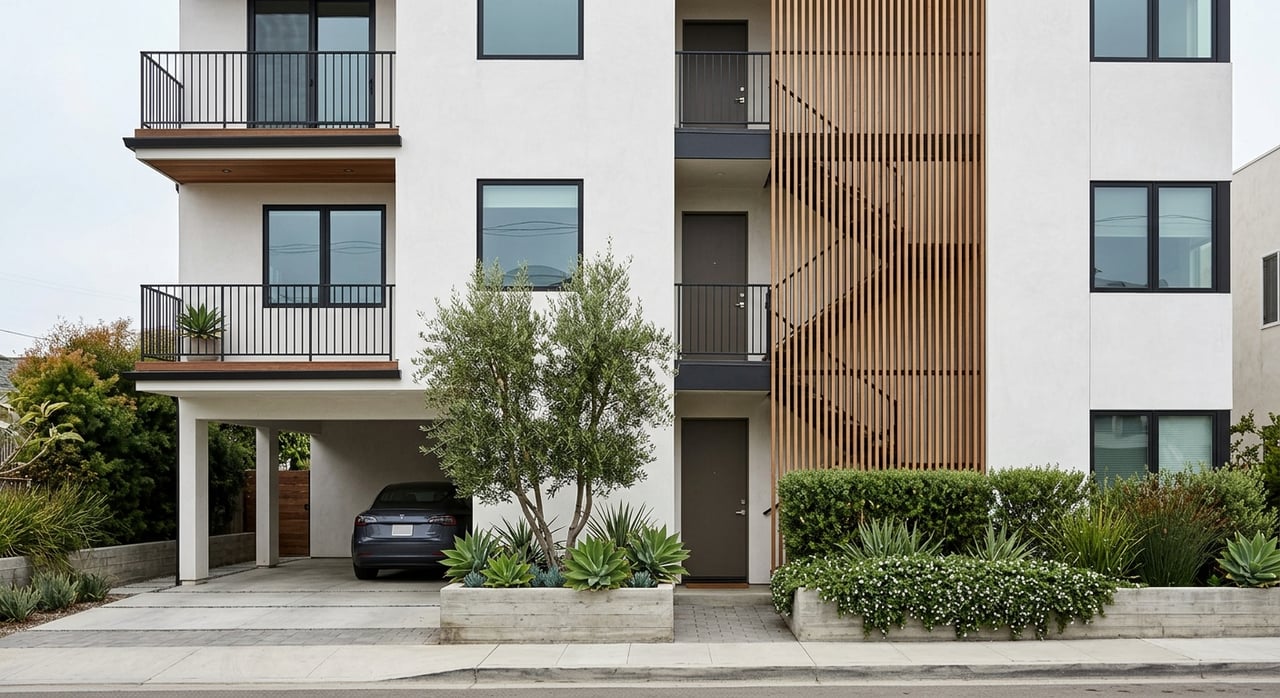
Are you looking for a way to enjoy coastal living while your tenants help pay the mortgage, or to place capital in a resilient beach rental market? In Pacific Beach, small multifamily properties can offer a practical balance of lifestyle and income. With a high share of renter households and steady demand for well-located units, this submarket rewards smart acquisition and thoughtful upgrades. In this guide, you’ll learn where the real opportunities are, which rules matter most, how to finance 2–4 unit purchases, and which improvements can lift rents. Let’s dive in.
Why Pacific Beach fits small multifamily
Pacific Beach is a high-cost coastal neighborhood where typical single-family values sit in the low-to-mid seven figures as of early 2026. That price environment makes smaller units and 2–4 unit buildings attractive for both owner-occupants and investors.
Just as important, Pacific Beach is renter heavy. In ZIP 92109, data profiles show a large share of renter-occupied housing, which supports steady demand for duplexes, triplexes, and fourplexes. You can review local demographics for ZIP 92109 on an ACS-derived profile at the 92109 data page on ZIP-Codes.com.
Advertised rents reflect that demand. As of early 2026, many 1-bedroom units in Pacific Beach list around the mid-$2,000s per month, with 2-bedrooms commonly in the $3,000 to low-$4,000 range depending on updates and proximity to the beach. Seasonal patterns exist, but well-presented units in walkable locations typically lease quickly.
What you can buy in PB
You will mostly find duplexes, converted single-family homes with a secondary unit, small 3–8 unit walk-ups, and older fourplexes. Many buildings are mid-century with compact floor plans and carport or tuck-under parking. These assets often respond well to modernization that improves comfort and function.
The neighborhood is largely built out and has a diverse mix of single-family and multifamily areas. For a high-level view of the community fabric, the Pacific Beach Community Plan outlines land use, residential patterns, and planning priorities.
Zoning, overlays, and permits to confirm
Before you write an offer, confirm what the parcel allows. In Pacific Beach, parcel-level feasibility is shaped by base zones and several important overlays.
- Community plan and base zoning. The Pacific Beach Community Plan identifies zones such as RS (single-family) and RM (residential multifamily). These control density, allowed uses, and setbacks. Start your review with the Community Plan and the City’s zoning resources.
- Coastal Zone and height limits. Much of Pacific Beach lies in the Coastal Zone, where additional rules on development and, for larger projects, potential Coastal Commission review can apply. The City’s planning and environmental documents, such as the Final Environmental Impact Report, provide context on overlays and coastal considerations.
- ADUs and recent code changes. California law continues to expand ADU permissions. State law AB 1033 enables local jurisdictions to allow separate conveyance of ADUs when a local ordinance permits it. If you plan to add an ADU or consider separate sale potential, confirm the City of San Diego’s current implementation and any condo-map requirements. You can review the bill text on LegiScan’s AB 1033 page and then confirm local adoption with City staff.
Tip: If you’re planning an addition, ADU, or unit reconfiguration, budget time for a pre-application conversation with City planning and building staff. That early input can save months later.
Short-term rentals: know the rules
Short-term rentals are regulated under the City’s Short-Term Residential Occupancy (STRO) program. The system uses tiers for hosted and whole-home rentals, with a cap on whole-home licenses outside Mission Beach. If short-term income is part of your plan, review the City’s program details and confirm license status for any property. Start with the City’s STRO overview and licensing page.
Key takeaways:
- You must hold the correct STRO license for your use.
- Whole-home licenses outside Mission Beach are capped.
- Noncompliant operation risks enforcement. Verify any claimed STRO history before you buy.
Rentability drivers and what tenants want
In Pacific Beach, location and livability do the heavy lifting.
- Proximity to the beach and Garnet Avenue. Walkable access to the sand, dining, and services consistently supports higher rents.
- Practical layouts and modern finishes. Updated kitchens and baths, good lighting, and durable flooring help units stand out.
- Comfort and convenience. In-unit laundry, efficient HVAC or cooling, secure bike storage, and assigned parking can justify rent premiums.
- Seasonality and turnover. Expect higher interest in spring and summer and plan for lease expirations that avoid the slower months.
Financing options for 2–4 units
If you plan to live in one unit, owner-occupant financing can improve your numbers.
- FHA for 2–4 units. FHA financing allows owner-occupants to purchase 2–4 unit properties, historically with down payments as low as 3.5% for borrowers who qualify. For triplexes and fourplexes, lenders may apply reserve and self-sufficiency tests. Get program basics from this overview of FHA loans for duplexes, triplexes, and fourplexes, then confirm details with a local lender.
- VA for eligible veterans. The VA program permits financing of 2–4 unit properties when the veteran occupies one unit as a primary residence, with the potential for $0 down in eligible cases. Learn more from a primer on VA loans for multifamily homes, and verify terms with a VA-approved lender.
- Conventional and investor loans. Conventional and DSCR products often require larger down payments and stricter coverage ratios. Underwriting varies by lender and market conditions.
- Loan limits and thresholds. FHA and conventional limits in San Diego County vary by unit count. Check current county-specific limits and how they interact with pricing on 2–4 unit purchases using a FHA vs conventional loan limits overview, then confirm with your lender.
Pro tip: Ask lenders how they will treat projected rental income and what reserves they require. Small changes in those assumptions can make or break a deal.
Underwriting, cap rates, and reality check
In San Diego, small-multifamily cap rates often sit in the mid-single digits for well-located, renovated assets, with higher yields for properties needing work. In Pacific Beach, prime locations and coastal proximity can compress cap rates further. As you evaluate a property:
- Build a conservative pro forma with realistic market rents, seasonal vacancy, and maintenance reserves.
- Stress test interest rates and insurance costs.
- Compare 2–4 recent sales of similar size and vintage to triangulate cap rates and gross rent multipliers.
If you plan to upgrade units, map your construction timeline and lease roll so you understand how quickly you can move rents after improvements.
Insurance and coastal risk
Coastal properties carry unique risk factors. Flooding from storms or king tides, long-term sea-level rise, and erosion can affect insurance availability and cost. Local reporting on sea-level projections highlights potential for increased impacts across San Diego’s coastline. For background, see coverage of a NOAA-informed sea-level study and San Diego impacts, then check FEMA flood maps and elevation for any specific parcel.
Risk-mitigation upgrades can help. Elevating mechanicals, adding backflow valves, improving drainage, and using flood-resistant materials at the ground level can reduce exposure and sometimes improve insurability. For practical examples tied to recent storms, review this local overview of drainage and resiliency upgrades after coastal flooding.
Value-add ideas with ROI potential
When you buy older small-multifamily in Pacific Beach, targeted improvements often deliver outsize returns. Always verify permit requirements and coastal constraints before starting work.
High-impact upgrades to consider:
- Modernize interiors. Fresh kitchens, updated baths, durable flooring, and efficient lighting can lift rents and reduce vacancy.
- Add in-unit laundry. Tenant demand is strong and the rent premium can be material.
- Improve comfort and efficiency. Optimize ventilation, add efficient A/C where appropriate, and upgrade windows and doors.
- Reconfigure smartly. In rare cases, you can convert oversized layouts into additional smaller units if zoning, life-safety, and minimum sizes allow. Verify feasibility first.
- Build an ADU or JADU. Garages and ground-level spaces can sometimes convert to legal ADUs. If you plan for separate sale potential in the future, monitor local implementation of AB 1033 and follow the City’s condo-map process if applicable.
- Elevate curb appeal. Secure entries, fenced patios, modern landscaping, exterior lighting, and bike storage can help justify higher rents.
- Optimize parking. Clear striping, assigned spaces, and storage can add perceived value. Confirm current parking rules for your zoning and overlay area.
- Add resiliency. See the flood-proofing tips above and integrate them into any ground-level renovation.
Due diligence checklist for PB multifamily
Use this quick framework to evaluate a property before you commit:
- Confirm zoning and overlays. Pull the parcel’s base zone and overlay constraints and cross-check the Pacific Beach Community Plan for area context.
- Validate short-term rental assumptions. If you intend any short-term or hosted use, review license rules and check the City’s STRO licensing page for program details.
- Build a conservative pro forma. Use current market rents, include seasonal vacancy, and stress test insurance and rate scenarios. Compare at least 2–4 recent small-multifamily sales for cap-rate context.
- Speak with two lenders. For owner-occupants, ask an FHA-approved lender about 2–4 unit FHA options. If you are VA-eligible, discuss VA multifamily financing. Confirm today’s down payment, reserve, income, and loan-limit requirements with each lender.
- Pre-application for ADUs or major work. If you plan to add units or significantly renovate, schedule a conversation with City planning and building staff to confirm the permitting path and coastal considerations.
How we help you win in Pacific Beach
Small-multifamily success in Pacific Beach comes from pairing local knowledge with disciplined underwriting and polished execution. As a boutique, founder-led team focused on coastal San Diego, we combine investor advisory with design and legal coordination to reduce friction and accelerate results. We source on and off-market opportunities, model scenarios across financing types, advise on ADU and renovation paths, and position finished units with premium marketing that commands attention.
If you’re considering a duplex, triplex, or fourplex in Pacific Beach, connect for a private, strategy-first conversation. Explore options with Ryan Real Estate Group and move forward with confidence.
FAQs
Can you live in one unit and buy a duplex with a low down payment?
- Yes. FHA and VA programs allow owner-occupants to finance 2–4 unit properties with low down payments for qualified borrowers; confirm exact terms with local lenders using guidance like this FHA 2–4 unit overview.
Are whole-home Airbnbs allowed in Pacific Beach?
- Only with the correct City STRO license, and whole-home licenses outside Mission Beach are capped; review the City’s STRO program rules and verify license status before you buy.
What are the best value-add projects for PB small multifamily?
- Interior upgrades, in-unit laundry, comfort and efficiency improvements, curb appeal, and where feasible, ADUs; always confirm permits and coastal constraints and monitor AB 1033 for any separate-conveyance strategies.
How risky are coastal hazards for PB properties?
- Coastal exposure can raise insurance costs and underwriting scrutiny; check FEMA flood maps, elevation, and mitigation options, and review local context such as this San Diego sea-level impact coverage.
Where can I find zoning details for a specific PB parcel?
- Start with the Pacific Beach Community Plan and the City’s zoning tools to identify base zones and overlays; then confirm any coastal or height-limit implications with City staff.