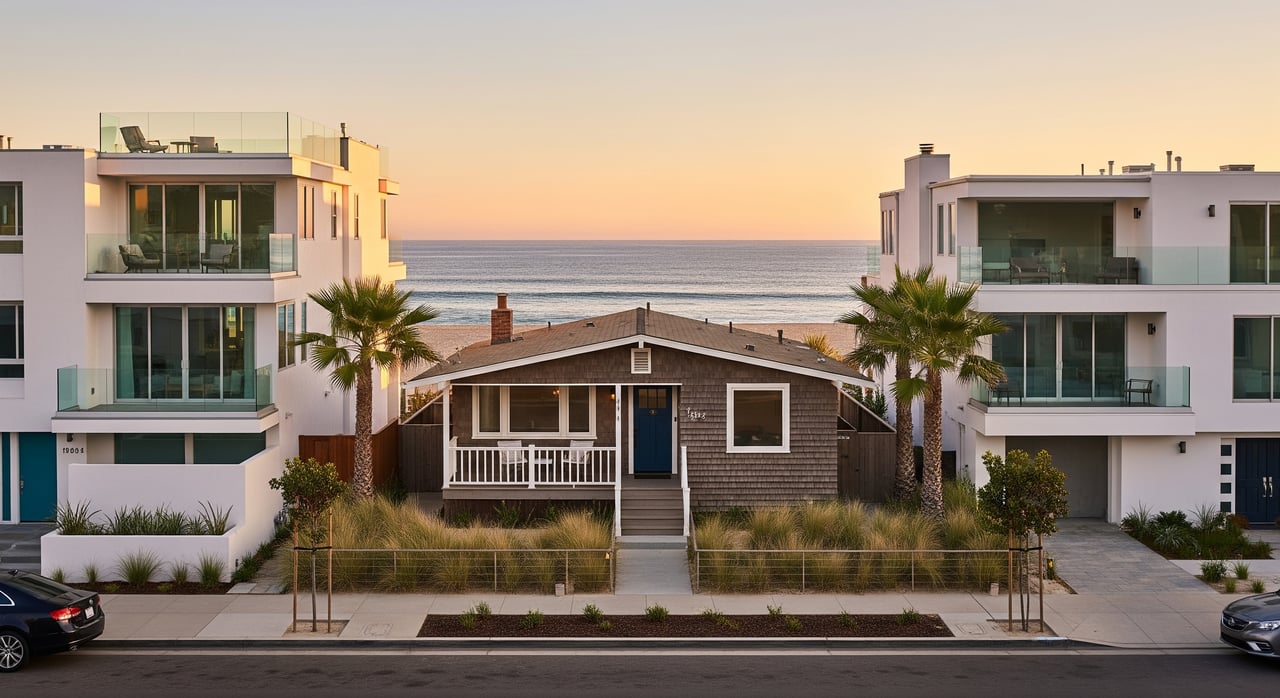
Is your Pacific Beach bungalow worth more as a clean slate than as-is? With high land values, small legacy lots, and demand for modern coastal homes, teardown interest in PB is real. But the green light does not come from age or condition alone. You need to confirm zoning, coastal rules, site constraints, and economics before you swing a hammer. This guide gives you a clear checklist, realistic timelines, and key decision points so you can move forward with confidence. Let’s dive in.
Why teardowns are common in Pacific Beach
Pacific Beach blends a dense coastal setting, limited land supply, and many older cottages and duplexes on small lots. Buyers want larger, modern homes near the beach and neighborhood amenities, which pushes land value relative to the value of older structures. That mix creates steady interest in demolition and rebuilds by owner-occupiers and small developers.
Still, not every parcel makes sense. Your eligibility and upside are set by local planning rules, coastal regulations, and the physical realities of your lot. Start with quick checks before you price, bid, or market a property as a teardown.
Quick eligibility checks
Zoning and community plan
Confirm the parcel’s zoning and the Pacific Beach Community Plan designation. These determine permitted uses, maximum density, height, and development standards such as setbacks and lot coverage. Some corridors and block faces allow multi-family housing, while many interior blocks limit you to single-family or small multi-family.
Coastal overlay and permits
Much of PB sits inside the Coastal Overlay and appealable areas. If your rebuild changes footprint or intensity, a Coastal Development Permit may be required. Expect additional review, public noticing, and possible conditions related to public access, visual impacts, and consistency with the City’s Local Coastal Program.
Historic and resource screening
If a home is designated as a historic resource, demolition can be restricted or require review. Older homes not formally listed can still trigger a Historic Review if the City views them as potentially significant. Screen early to avoid surprises.
Environmental and hazard overlays
Confirm floodplain status, coastal bluff or sea-level rise exposure if applicable, and any environmentally sensitive lands or protected tree constraints. These can drive setbacks, engineering needs, or seasonal work windows.
Site constraints to confirm
Pacific Beach lots are often smaller and narrower, which limits modern footprints and parking. Verify the basics before running numbers.
- Parcel size and shape, legal lot status, and recorded easements or alleys that reduce buildable area.
- Setbacks, lot coverage, and height controls. Many single-family zones in San Diego use height limits around 30 feet, but rules vary by zone and overlay.
- Parking requirements for new units, including garage and guest spaces. On small PB lots, parking often determines feasible unit count and floor plan.
- Utilities and services, including sewer and water capacity. Most PB parcels are on municipal sewer, yet you should verify connections and any capacity or connection fees.
- Geotechnical and hazard items: flood zone, soil conditions or liquefaction risk, and coastal engineering if near bluffs or the beach.
- Existing structure considerations: potential lead paint or asbestos abatement, and whether any foundation or utility stubs are reusable.
ADUs and unit mix
Accessory Dwelling Units can add value to a rebuild. ADU allowances follow state and local rules on size, setbacks, and parking that can differ by location and context. Confirm how ADUs fit within your lot’s envelope and parking plan, then model the impact on value or rental yield.
Permits and approvals to expect
Simple, code-conforming replacements can be straightforward. Projects that push density or sit in sensitive areas can trigger more steps.
- Demolition permit and building permits for new construction.
- Planning approvals if needed, such as a Site Development Permit or Variance when a design does not meet strict code.
- Coastal Development Permit if inside the coastal zone or an appealable area.
- Grading and drainage approvals, plus sewer and water connection permits.
- Environmental review under CEQA in limited cases. Many small projects may be exempt, but larger or sensitive sites can require studies.
Budget the full picture
Do not rely on build cost alone. A complete pro forma should capture land value, approvals, and holding time.
- Acquisition and land value.
- Demolition and hazardous materials abatement.
- Soft costs: architectural, structural and geotechnical engineering, planning consultant, permits and impact fees, environmental studies, and construction loan interest.
- Hard costs: foundation, structure, MEP systems, and finishes. Get multiple local bids for the product type you plan.
- Public fees: development impact fees, school, park, and transportation fees. Large multi-unit projects can face additional requirements.
- Carry costs during permitting and construction, plus sales costs and taxes if you plan to sell.
Build in a contingency of 10 to 20 percent and a conservative timeline. Permit delays, design revisions, and coastal appeals can affect cost and timing.
Timelines to plan for
Total timelines vary by scope and approvals. Use these ranges as a planning guide.
- Pre-development due diligence: 2 to 8 weeks for title, zoning checks, and basic reports.
- Planning approvals: weeks to months for conforming projects. Discretionary permits such as a Coastal Development Permit or Site Development Permit often take 3 to 9 months or more including hearings and possible appeals.
- Building permit review: 2 to 6 months depending on plan completeness and complexity.
- Construction: 9 to 18 months for a small single-family rebuild. Larger or multi-unit projects take longer.
- Overall: 12 to 36 months or more from purchase to completion depending on complexity.
Short-term rentals, tenants, and policy shifts
San Diego regulates short-term rentals. Registration and rules affect revenue assumptions for a new or rebuilt property. If a structure is tenant-occupied, state and local tenant protection rules can require relocation payments and specific notices when planning demolition. Keep an eye on policy trends in coastal development, ADUs, inclusionary rules, and parking reforms because they can change feasibility midstream.
Step-by-step evaluation checklist
Follow this sequence to reduce risk and move efficiently.
1) Quick address-level checks
- Confirm zoning and the community plan designation.
- Check if the parcel lies within the Coastal Overlay or appealable area.
- Pull assessor parcel data for lot size and legal description.
- Screen for any historic designation or local register listing.
- Review FEMA flood zones and other hazard maps.
2) Early paid diligence if signs are positive
- Order a preliminary title report to identify easements and covenants.
- Commission a preliminary geotechnical reconnaissance for red flags.
- Order a Phase I Environmental Assessment if there is past commercial use or suspected contamination.
- Ask an architect for a preliminary site plan to estimate setbacks, parking, and unit yield.
3) Engage regulators early
- Contact the City’s Development Services for a pre-application meeting.
- If in the coastal overlay, confirm whether the site is appealable and what conditions are likely.
- Check with Historic Resources Board staff regarding any potential review.
4) Validate budget and timing
- Get preliminary demolition and rebuild estimates per square foot for your target product.
- Estimate permit and impact fees from City schedules or the permit counter.
- Include abatement for asbestos or lead and any tree or landscape mitigation.
5) Make a go or no-go decision
- Proceed if zoning allows the desired unit count and your financial model pencils with conservative pricing and timing.
- If major constraints appear, consider a high-quality remodel, a different product type, or a price adjustment.
When a remodel makes more sense
Sometimes the smartest move is to renovate. Small lots, strict parking requirements, or coastal and historic constraints can limit the upside of a teardown. Compare the replacement size you can actually build, the time to permit, and the total cost against the value uplift from a new home. Choose the path that delivers the strongest net result for your goals and timeline.
Get concierge teardown guidance
If you are weighing a teardown in PB, you deserve a clear plan and a discreet team. Ryan Real Estate Group provides founder-led advisory, redevelopment expertise, in-team design and legal coordination, and access to private opportunities along coastal San Diego. For a confidential review of your address and a personalized roadmap, reach out to the Ryan Real Estate Group to Request a Private Concierge Valuation.
FAQs
Can I tear down any house in Pacific Beach?
- Not automatically. Whether demolition and a larger rebuild are allowed depends on zoning, coastal permit requirements, historic or resource protections, and site constraints.
Do PB rebuilds require a Coastal Development Permit?
- Often yes if the parcel is in the Coastal Overlay or appealable area and the project changes the footprint or intensity, which can add review time and potential appeals.
How long does a PB teardown and rebuild take?
- A typical range is 12 to 36 months from purchase to completion depending on permits, coastal appeals, and construction scope.
Is a remodel cheaper than a teardown in PB?
- Sometimes. It depends on the existing structure, allowed replacement size, and total project costs compared to the value your new build would achieve.
Can I build multiple units on a typical PB lot?
- It depends on zoning and lot dimensions. Some blocks and corridors allow higher density, while many interior lots are limited by setbacks, parking, and lot size.