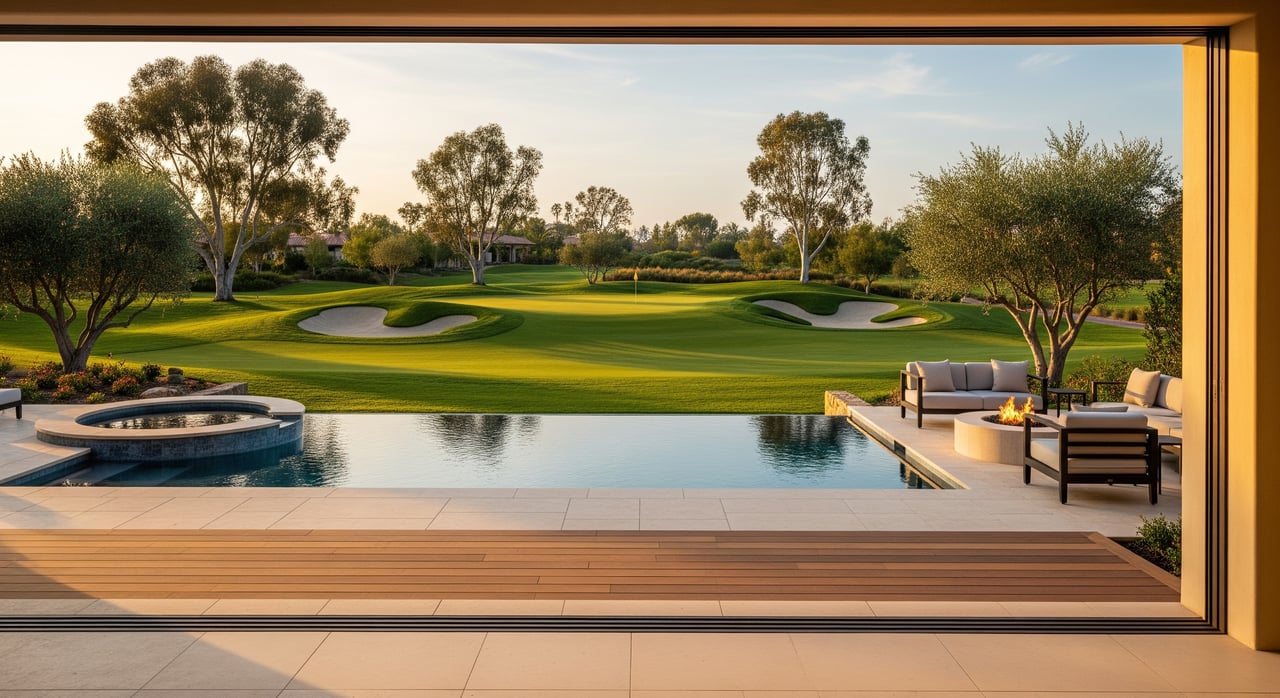
Imagine morning light over lush fairways, a cup of coffee on your patio, and quiet open space as your backdrop. If you are considering a golf course home in Rancho Bernardo, you probably want that lifestyle without surprises later. In this guide, you will learn the property types to consider, the pros and trade-offs, the documents and inspections to prioritize, and how to negotiate with confidence in California. Let’s dive in.
Why Rancho Bernardo stands out
Rancho Bernardo is a master-planned community in northeast San Diego known for rolling hills, canyons, and a mild Mediterranean climate. You will find a mix of single-family neighborhoods, planned developments, and resort-style amenities that attract lifestyle-focused buyers. Many residents choose the area for suburban convenience and access to major corridors like I-15 and SR-56, which supports long-term marketability for golf-course properties.
Types of golf-course homes
Different settings create different experiences and risk profiles. Clarify which one fits your priorities.
- Fairway-front homes. Your rear yard borders the course. Views are often exceptional, but you have more exposure to errant balls and maintenance activity.
- Back-of-green or tee-box lots. Proximity to high-impact play areas can increase ball strikes and noise at peak times.
- Private club or gated communities. Some homes come with optional or required memberships, initiation fees, or special assessments. Perks vary and may not transfer to new owners.
- Near practice areas or cart paths. Expect more traffic and periodic noise from lessons, carts, and maintenance.
- Views-only homes. You are near the course with a street or buffer in between. Lower exposure to play-related impacts with some loss of immediacy.
Benefits and trade-offs
Benefits to love
- Views and lifestyle. Panoramic greens, walkable access, and a resort feel can elevate daily living.
- Quiet open space. Courses create a green buffer that limits dense development behind you.
- Potential value premium. In many markets, well-sited golf-course lots command a premium when demand and course condition support it.
- Amenities and social life. Club dining, fitness, spa, and events can add to your routine.
Common concerns to weigh
- Golf balls and privacy. Broken glass, dings, and sightlines from fairways are possible. Landscaping, tempered glass, or screens may help.
- Noise and activity. Early maintenance, carts, events, and resort traffic can affect your schedule.
- Water, irrigation, and chemicals. Overspray can reach adjacent yards and fertilizer or pesticide use may be a concern for some buyers.
- HOA and club fees. Fees can reflect course upkeep and may be separate from property ownership.
- Redevelopment risk. Some courses change operations or land use over time, which can impact enjoyment and value.
What to verify before you write an offer
Do focused due diligence so you know exactly what you are buying.
Essential documents
- Seller disclosures. Review the Transfer Disclosure Statement and Natural Hazard Disclosure for known defects and hazard zones.
- Title and survey. Obtain a title report and a recent plat map or boundary survey that show property lines and any recorded easements.
- HOA and club records. Read CC&Rs, bylaws, reserve studies, current budgets, and meeting minutes from the last 12 to 24 months.
- Comparable sales. Ask for recent comps for golf-course lots in Rancho Bernardo within the past 6 to 12 months.
Key questions to ask
- Is there a required or optional club membership and are there initiation fees, dues, or assessments?
- Are memberships transferable to buyers or sold separately from the home?
- Are there any plans to sell, redevelop, or materially alter the course or resort operations?
- What maintenance or access easements allow staff onto homeowner property and during what hours?
- What are the course’s pesticide and fertilizer application schedules and products near homes?
- How often do ball-strike or damage incidents occur for this address and has there been any related insurance or legal history?
- What is the irrigation schedule and are there overspray issues affecting adjacent yards?
Inspections and professionals
- Home and targeted inspections. In addition to a general inspection, have windows, sliders, roofs, and landscaping assessed for ball-strike vulnerability.
- Surveyor. Confirm boundaries and easements precisely.
- Appraiser. Use a professional experienced with San Diego golf-course home valuations.
- Insurance advisor. Obtain quotes for homeowners, glass coverage, and umbrella liability.
- Attorney. Consider legal review for complex CC&Rs, membership agreements, or unusual easements.
Insurance and liability
- Golf-ball damage. Confirm your policy covers glass and exterior elements and whether endorsements are needed. Provide your insurer with your exact location relative to fairways or tees.
- Liability limits. If you host events or have frequent yard guests, consider umbrella coverage for added protection.
- Hazard coverage. Review flood and wildfire risks and discuss mitigation such as defensible space and ember-resistant vents.
Memberships, fees, and course finances
- Clarify whether membership is required, optional, or not available and whether it transfers with the home.
- Request details on initiation fees, dues, and special assessments along with what they cover.
- Ask about planned capital projects like irrigation upgrades or renovations that could affect fees or course character.
Appraisal, financing, and contingencies
- Lenders typically treat these like standard homes. Appraised value depends on local comps, view quality, course condition, and exposure.
- Include contingencies for HOA and club document review, title, and survey.
- If course condition is marginal or redevelopment is rumored, consider pricing adjustments or stronger inspection rights.
California disclosures and legal points
California requires sellers to provide the Transfer Disclosure Statement and a Natural Hazard Disclosure that identifies known defects and proximity to flood, earthquake, or wildfire zones. Review these thoroughly for the subject property and the surrounding course lands. If an HOA or club is involved, analyze CC&Rs, bylaws, budgets, and minutes for assessments, litigation, or operational changes. Verify any recorded access or maintenance easements that could allow course staff on your lot or impact how you use your yard.
Environmental and local factors to consider
- Water use and course aesthetics. State and local water policies can influence irrigation levels, turf appearance, and maintenance schedules during drought periods.
- Pesticide regulation. California regulates pesticide application. If you have sensitivity concerns, request product lists, application schedules, and any buffer protocols near homes.
- Wildfire preparedness. Some Rancho Bernardo parcels sit along canyons or open space. Understand hazard designations and create defensible space where required.
- Land use and redevelopment. Changes to a course typically require local entitlements and environmental review. Check planning records for any pending applications that could affect your view or access.
Pricing and resale in Rancho Bernardo
Value depends on more than a fairway address. Appraisers will weigh view quality, direct exposure to play, privacy, course condition, membership benefits, and neighborhood comparables. For long-term resale, balance the trade-off between front-row views and higher exposure to golfers. Documented mitigation such as reinforced glazing, privacy landscaping, and clear easement maps helps reassure future buyers.
Smart negotiation tips
- Document review contingency. Include contingencies for HOA, club, title, and survey review with clear timelines.
- Seller credits. Request credits for tempered or laminated glass, protective screens, or landscaping buffers if the lot sits near a tee or green.
- Escrow holdbacks. If key documents are missing, consider a holdback until you receive the membership agreement, reserve study, or proof of funding for planned projects.
- Adjust for course risk. If the course shows deferred maintenance or there is credible redevelopment chatter, seek price adjustments or a shorter escrow with robust inspection rights.
A quick action plan
- Walk the lot during peak golf hours to observe play patterns, carts, and noise.
- Stand at windows and yard edges to assess ball trajectories and privacy lines.
- Gather TDS, NHD, title, survey, HOA and club records, budgets, and minutes.
- Price insurance, including glass and umbrella coverage, based on the home’s exact position.
- Engage an appraiser and, if needed, an attorney to confirm memberships and easements.
When you want fairway living with confidence, a disciplined process is your best friend. With the right documents, inspections, and risk planning, you can secure the lifestyle you want while protecting long-term value.
If you are exploring golf-course homes in Rancho Bernardo and want discreet, outcomes-focused guidance, connect with the Ryan Real Estate Group. Our founder-led team can help you source the right fit, pressure-test fees and easements, and negotiate with clarity.
FAQs
What should I know about HOA and club fees for Rancho Bernardo golf-course homes?
- Fees can include HOA dues, optional or required club memberships, initiation costs, and special assessments tied to course maintenance or capital projects. Confirm what transfers with the property and what each fee covers.
How do I insure against golf-ball damage at a fairway-front home?
- Ask your insurer to confirm coverage for glass and exterior elements and whether endorsements are needed. Provide exact lot placement near fairways or tee boxes to price risk accurately.
Does living near a golf course affect wildfire or flood insurance in Rancho Bernardo?
- Your risk depends on the specific parcel. Review Natural Hazard Disclosures and hazard maps, then discuss wildfire hardening, defensible space, and any flood considerations with your insurance advisor.
How can I check for potential golf course redevelopment before I buy?
- Request HOA and club minutes, ask management about long-range plans, and review local planning records for pending entitlements or applications that could alter land use, views, or access.
Are there financing differences for golf-course homes in San Diego?
- Most lenders treat these as standard residential loans. Appraisals rely on local comps, view quality, and course condition, so value and loan-to-value will reflect those factors.
What are practical ways to improve privacy and safety on a fairway lot?
- Consider tempered or laminated glass, golf screens, strategic landscaping, and placement of seating areas outside common ball-flight paths. Check CC&Rs before installing new features.