If you are choosing between a bayfront and oceanfront condo in Pacific Beach, the view is only the beginning. What looks like a simple waterfront decision can shape your daily routine, noise levels, recreation options, and even how you use the property over time. If you want a clearer way to compare both sides of Pacific Beach, this guide will walk you through the lifestyle, access, market context, and ownership details that matter most. Let’s dive in.
Pacific Beach Waterfront Basics
Pacific Beach sits along San Diego’s western mid-coastal edge, with the Pacific Ocean on the west and Mission Bay on the south. The community is known for its iconic shoreline, active beach culture, and steady visitor traffic, especially in summer. The City describes Pacific Beach as one of the busiest beach areas in San Diego.
When buyers say “bayfront” in Pacific Beach, they are usually talking about the Mission Bay or Sail Bay side. That setting feels different from the ocean side in both pace and use. Instead of surf and a boardwalk, you get calmer water, shoreline paths, and a broader park environment tied to Mission Bay Park.
Oceanfront Condo Living
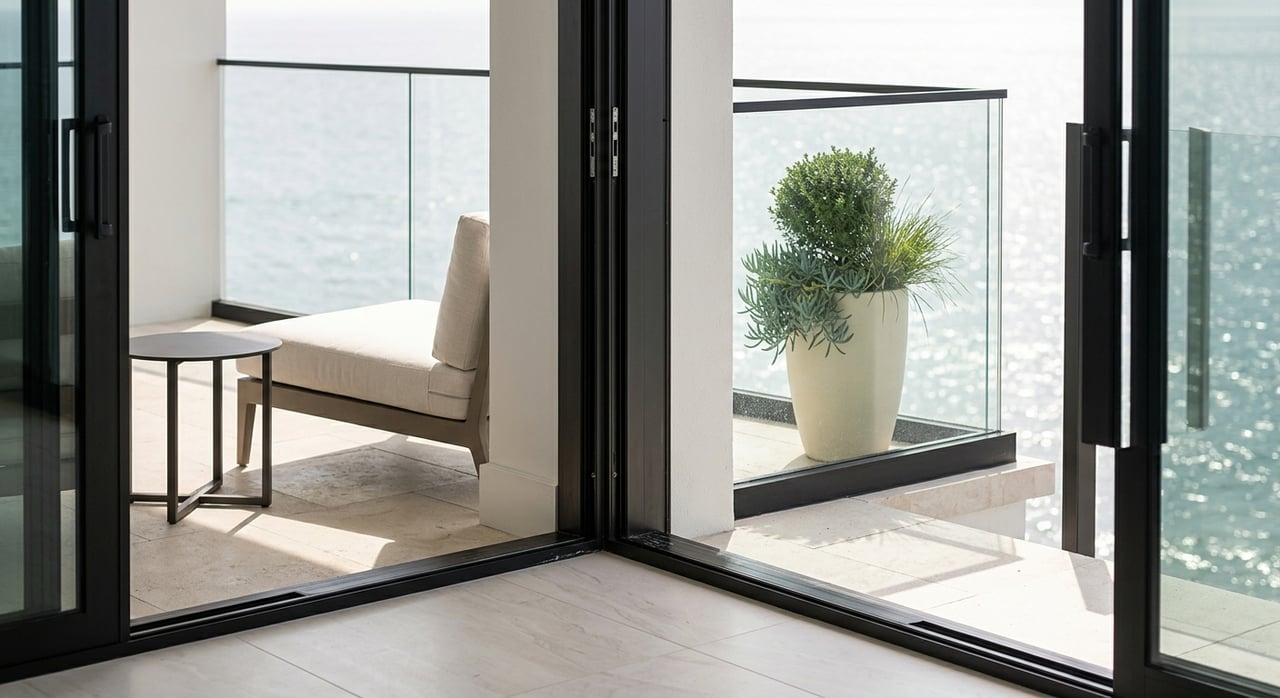
Oceanfront condos in Pacific Beach offer the classic coastal image many buyers picture first. You are closer to open-water views, surf conditions, direct beach access, and the energy of the beach-and-boardwalk scene. For many buyers, that visual connection to the ocean is the main draw.
The Mission Beach-Pacific Beach Oceanfront Boardwalk runs about 3.5 miles from North Pacific Beach to South Mission Beach. That means an oceanfront home often comes with immediate access to walking, biking, people-watching, and the day-to-day movement that defines this stretch of coastline. Pacific Beach also offers amenities such as surfing, swimming, restrooms, showers, fishing, parking, and public transportation.
Another practical point is beach safety support. Pacific Beach has permanent year-round lifeguard stations, which can matter if you expect to spend a lot of time in the water or on the sand. If your ideal second home or primary residence centers on surf, sunsets, and direct beach living, the oceanfront side usually delivers that most clearly.
What the Oceanfront Feels Like Daily
Oceanfront living is rarely quiet in the traditional sense. You are buying into an active public setting with beachgoers, walkers, cyclists, and seasonal crowds. The atmosphere can feel vibrant and cinematic, but it also comes with more foot traffic and a higher level of visible activity.
That does not mean it is unmanaged. The City notes that disturbing noise is not allowed on the beach, cliffs, walkways, park areas, or adjacent parking lots, and the boardwalk has an 8 mph maximum. Even so, if you are sensitive to constant motion outside your windows or along nearby walkways, this is worth weighing carefully.
Bayfront Condo Living
Bayfront condos on the Mission Bay or Sail Bay side offer a different type of waterfront experience. Instead of surf and broad ocean horizons, you get calmer water, boating activity, and a more park-like shoreline setting. For many buyers, that translates into a more relaxed daily rhythm.
Mission Bay Park is a major recreational asset, with more than 4,235 acres, 27 miles of shoreline, and 19 sandy beaches. The bay supports a wide range of uses, including sailing, motor boating, rowing, waterskiing, jogging, picnicking, and swimming. Boat docks, launching facilities, rentals, and shoreline paths add to that utility.
The water conditions also change the feel of ownership. Mission Bay has no significant currents and no surf, and vessels can be beached in many parts of the bay. If you see yourself paddleboarding, kayaking, or enjoying calm-water recreation more often than surfing, the bayfront side is usually the more natural fit.
What the Bayfront Feels Like Daily
Bayfront living can feel calmer, especially in the evening, but it is not isolated. Mission Bay is still a high-use recreation area with boats, cyclists, walkers, and substantial annual attendance. The difference is usually not “busy versus quiet,” but rather what kind of activity surrounds you and when.
On the bay side, activity often feels more spread out across park space and shoreline routes. You may trade the boardwalk’s surf-town energy for a softer, more recreational backdrop with boats crossing the water and a steadier pace along the paths. For many buyers, that creates a more relaxed visual and acoustic experience.
Bayfront Vs Oceanfront Views
Views are often the deciding factor, but it helps to define what kind of view you actually want. Oceanfront condos typically provide the strongest open-ocean horizon and the most dramatic surf-oriented outlook. If your goal is a classic “toes in the sand” visual experience, oceanfront usually wins.
Bayfront condos offer a different kind of beauty. You are more likely to see calm water, boats, shoreline greenery, and an open park setting. Some buyers prefer that composition because it feels gentler and more layered, especially for everyday living rather than occasional getaways.
A useful question is this: do you want visual drama or visual calm? Neither answer is better. It just points you toward a different side of Pacific Beach.
Recreation and Access Differences
Your ideal waterfront condo should support how you actually spend your time. If you want direct access to surfing, beach walks, and the boardwalk, the oceanfront side is hard to beat. That setting is built around sand, surf, and immediate beach use.
If you are more interested in boating, paddling, jogging along calmer water, or launching into a day on the bay, the bayfront side has the edge. Mission Bay’s facilities and shoreline design support watercraft activity more directly. That can make a major difference if you plan to use the condo often rather than simply admire the view.
Quick Lifestyle Comparison
| Feature | Oceanfront | Bayfront |
|---|---|---|
| Water setting | Open ocean and surf | Calm bay water |
| Typical atmosphere | Active beach and boardwalk | Park-like and recreation-focused |
| Best for | Surf, beach access, boardwalk living | Boating, paddling, shoreline recreation |
| Foot traffic pattern | Higher public beach activity | Active, but more spread out |
| Lifeguard presence | Permanent year-round stations | Primarily seasonal staffing |
Noise, Privacy, and Activity Levels
One of the biggest misconceptions is that bayfront always means quiet. In reality, both sides are active public waterfront environments. The real difference is how that activity shows up in your day.
On the oceanfront, activity is more direct and visible. You are closer to the beach scene, boardwalk movement, and large summer crowds that Pacific Beach is known for. For some owners, that energy is part of the appeal.
On the bayfront, the activity often feels more recreational than beach-centric. Boats, walkers, cyclists, and shoreline users are still part of the setting, but the tempo may feel less intense. If privacy and a softer daily rhythm matter to you, bayfront may align better, though building position and orientation still matter a great deal.
Ownership Strategy Matters Too
For many buyers, especially second-home buyers and investors, lifestyle is only part of the equation. You also need to think about how you plan to use the condo over time. A beautiful waterfront unit can be the wrong purchase if the building rules do not match your plans.
San Diego requires a Short-Term Residential Occupancy license for stays of less than one month, along with a Transient Occupancy Tax certificate. Properties rented for more than six days in a calendar year also trigger Rental Unit Business Tax. In Pacific Beach, whole-home short-term rental activity falls under Tier 3 rather than the Mission Beach Tier 4 category.
As of June 18, 2026, Tier 3 applications are open, and the City reported 800 Tier 3 licenses remaining. Tier 3 also requires a minimum of 90 days of annual utilization and does not allow 21 to 89 day use. That means short-term rental potential is not something you should assume just because a condo is near the water.
HOA Rules Can Be the Real Deciding Factor
City rules are only one layer. HOA rules can be just as important, especially in condo buildings. Under California Civil Code 4741, a common interest development can adopt and enforce governing-document provisions that prohibit transient or short-term rentals of 30 days or less.
California Civil Code 4740 may also protect some owners from later-adopted rental prohibitions if the restriction was not in place before they acquired title. For a buyer, the practical takeaway is simple: review the CC&Rs, amendments, and rental history of the specific building before making assumptions. On waterfront condos in Pacific Beach, rental flexibility is a building-specific question, not a bayfront-versus-oceanfront rule.
Market Context for Pacific Beach Condos
In the 92109 Pacific Beach and Mission Beach area, the attached townhouse-condo segment posted a May 2026 median sales price of $1,055,000, with 32 days on market and 4.6 months of supply. Those numbers suggest an active condo market with ongoing demand, while still reflecting normal shifts in pricing and inventory.
For waterfront buyers, broad market numbers only tell part of the story. Long-term value is often shaped by view quality, building condition, parking, elevator access, and whether the property supports your intended use. In a coastal setting, those details can carry as much weight as the zip code itself.
Long-Term Value Considerations
Not all waterfront condos perform the same way over time. In Pacific Beach, long-term appeal often comes down to a handful of practical traits buyers consistently value:
- Unobstructed view quality
- Strong building upkeep and condition
- Functional parking
- Elevator access where relevant
- HOA rules that align with owner goals
- A location that supports the lifestyle you actually want
Coastal hazard exposure also belongs in the conversation. The California Coastal Commission notes that sea-level rise can worsen flooding and erosion, and local conditions affect how those impacts are felt in a specific place. Oceanfront and bayfront properties face different waterfront dynamics, so due diligence should include more than aesthetics.
Which Side Fits You Best?
If you want the full surf-and-sand lifestyle, open-ocean views, and an active beach scene, oceanfront condos in Pacific Beach are usually the stronger match. They deliver the most iconic version of coastal living in this part of San Diego. For some buyers, that experience is exactly the point.
If you prefer calmer water, easier access to boating or paddle sports, and a more park-oriented setting, bayfront condos may fit better. They often suit buyers who want waterfront living that feels scenic and active without centering on the boardwalk scene.
In the end, this decision is less about which side is “better” and more about which side aligns with your priorities. The right choice depends on how you want to live, how often you will use the property, and whether the building supports your long-term plan.
If you are weighing a bayfront or oceanfront purchase in Pacific Beach and want discreet, property-specific guidance, Ryan Real Estate Group offers a private, concierge approach tailored to coastal San Diego buyers.
FAQs
What is the difference between bayfront and oceanfront condos in Pacific Beach?
- Oceanfront condos face the Pacific and usually offer surf, beach, and boardwalk access, while bayfront condos are typically along Mission Bay or Sail Bay and offer calmer water, boating access, and a more park-like shoreline setting.
Are oceanfront condos in Pacific Beach noisier than bayfront condos?
- Oceanfront condos are generally more exposed to beach and boardwalk activity, while bayfront condos may feel calmer in the evening, though both areas are active public waterfront settings.
Are bayfront condos in Pacific Beach better for boating and paddle sports?
- Yes, the Mission Bay side is generally the better fit for boating, paddleboarding, kayaking, and other calm-water recreation because it has launch facilities, rentals, and no surf or significant currents.
Can you use a Pacific Beach condo as a short-term rental?
- Possibly, but you need to confirm both City licensing rules and the building’s HOA rules, since short-term rental use in Pacific Beach depends on compliance with San Diego’s STRO program and the condo association’s governing documents.
What is the current condo market like in Pacific Beach?
- In May 2026, the 92109 attached townhouse-condo segment had a median sales price of $1,055,000, 32 days on market, and 4.6 months of supply.
What should you compare besides the view when buying a waterfront condo in Pacific Beach?
- You should compare building condition, parking, elevator access, HOA rental rules, waterfront activity levels, and whether the location supports your intended lifestyle and ownership strategy.