If your La Jolla luxury home draws multiple offers, the biggest number on paper is not always the best outcome. In this market, you may be balancing price, timing, contingencies, concessions, and the added due diligence that often comes with coastal property. The good news is that with a clear process, you can compare offers with more confidence and less noise. Let’s dive in.
Why Multiple Offers Still Happen in La Jolla
La Jolla remains a premium coastal market with strong demand, but it is not a one-speed market. Realtor.com’s June 2026 snapshot shows a median listing price of $3,397,000, 223 active listings, and median days on market of 45, while also labeling La Jolla a seller’s market and a hot market. At the same time, homes sold for about 2.93% below asking on average.
That mix matters if you are preparing for multiple offers. It tells you that demand is real, but buyers are still selective and negotiation still matters. In other words, some listings move quickly and attract competition, while others require more patience and strategy.
Redfin’s May 2026 data points in the same direction. It describes La Jolla as somewhat competitive, with a $2.349 million median sale price and 38 median days on market, and notes that some homes receive multiple offers. That is a useful reminder that bidding activity can happen, but it is not automatic for every luxury listing.
La Jolla Luxury Segments Vary
Not all luxury pockets within La Jolla behave the same way. Realtor.com reports median listing prices around $5.595 million in La Jolla Shores and $8.112 million in Muirlands, with days on market still stretching into the 80s. By comparison, the broader 92037 zip code shows a $3.2 million median listing price and 53 median days on market.
For you as a seller, that means a beautiful home in a prime location can still face a meaningful marketing window. A high asking price alone does not guarantee an immediate bidding war. In many cases, the winning strategy comes from preparation, presentation, and disciplined negotiation.
Recent sold examples from Redfin reinforce this point. Some luxury or near-luxury homes in La Jolla closed after 70, 97, and even 132 days on market, with several sales landing below list price. The takeaway is simple: when multiple offers do appear, they should be managed carefully because they may represent a valuable window of leverage.
How California Sellers Can Handle Competing Offers
California gives sellers several valid ways to manage multiple offers. A seller can accept the strongest offer, ask interested buyers for their best and final terms, counter one offer while setting others aside, or counter one offer and reject the rest. The right path depends on your priorities, not just the number of offers in hand.
The California Department of Real Estate also makes clear that offers must be presented according to the seller’s instructions. You may direct your broker to present only certain kinds of offers, such as offers above a price threshold or all-cash offers. Once an offer has been accepted and escrow has opened, you may also instruct that new offers stop being presented.
That structure gives you more control than many homeowners realize. A multiple-offer situation does not have to feel chaotic. When handled well, it becomes a process for narrowing risk and improving your final result.
The Highest Price Does Not Always Win
This is one of the most important points for La Jolla luxury sellers. Under California guidance, you may accept any offer you choose, and the most attractive offer may not be the highest one. You are not required to chase the top number if another offer gives you better certainty, cleaner terms, or a smoother path to closing.
In the luxury segment, that distinction matters even more. A slightly lower offer with fewer contingencies, stronger proof of funds, and a cleaner closing timeline may produce a better net result than a higher offer with more moving parts. What matters is not just the headline price, but how likely that contract is to close on the terms you want.
Key Terms to Compare Beyond Price
When you receive more than one offer, the smart move is to compare the full structure of each deal. In California, buyers can include contingencies and special conditions for financing, inspections, repairs, pest issues, and related timeframes. Those terms can directly affect your risk, timeline, and leverage after acceptance.
Here are the terms that often deserve close attention:
- Contingency periods for financing, inspections, repairs, and other approvals
- Requested concessions that may reduce your net proceeds
- Closing timeline and whether it aligns with your next move or replacement purchase
- Proof of funds or financing strength
- Deposit strength, since a buyer’s failure to complete the purchase can affect the deposit once the contract is binding
- Special conditions that may create delay or uncertainty
A cleaner offer often feels more predictable from day one. In a market where some homes move quickly and others take time, certainty can be worth a great deal.
Buyer Representation and Seller Net Proceeds
California’s current buyer-representation framework adds another layer to offer review. The Department of Real Estate states that buyers and their agents now negotiate compensation directly in a written representation agreement. A buyer may then ask the seller to cover some or all of that amount as a concession, and the seller may accept or reject that request.
For you, that means the purchase price alone does not tell the full story. Two offers with similar numbers can produce very different net proceeds once concessions are factored in. A disciplined comparison should look at the true economic result, not just the list-to-offer spread.
Escrow, Title, and Timing Matter
Escrow is not just paperwork in a luxury transaction. The California Department of Real Estate describes escrow as a neutral third party that helps protect both sides, while title insurance helps guard against unknown title defects. These pieces become especially important when you are coordinating a replacement purchase, relocation, or a tightly planned closing schedule.
That is why timing should be part of your offer review. An offer that is more likely to close cleanly and on schedule may be more valuable than one that stretches for a higher price but introduces delay. In high-value transactions, timing risk is real risk.
Coastal Due Diligence Can Shape Negotiations
La Jolla’s coastal setting adds issues that can influence both pricing and buyer confidence. The California Coastal Commission states that development within the coastal zone generally may not begin until a coastal development permit has been issued. Its sea-level-rise guidance also notes that permit applications should address hazards such as inundation, flooding, wave impacts, erosion, and saltwater intrusion where relevant.
For luxury homes near the water, on bluffs, or with major past improvements, permit history and future adaptation concerns can become part of the negotiation. A buyer may be willing to pay a premium for a property, but still hesitate if key questions about improvements, coastal review, or long-term exposure are unresolved. That is one reason strong pre-listing preparation can matter so much.
Natural Hazard Disclosures in La Jolla
California’s Natural Hazard Disclosure framework is also highly relevant in La Jolla. Sellers must disclose whether a property lies in designated flood, fire, earthquake fault, or seismic hazard zones. The law also notes that these hazards may affect development, insurance availability, or disaster assistance.
The California Geological Survey’s La Jolla quadrangle mapping points to Alquist-Priolo earthquake fault zones and references the Rose Canyon Fault Zone reports. It also cautions that mapping is not a substitute for site-specific geotechnical investigation. For you as a seller, this means hazard questions should be taken seriously early, not left to become a surprise during escrow.
Property Condition Still Counts in Luxury Sales
California DRE consumer guidance states that the seller’s agent must conduct a reasonably competent visual inspection and disclose readily observable defects. In practical terms, visible concerns related to drainage, structural wear, hillside conditions, or coastal exposure can become negotiation issues even when a home is otherwise highly desirable.
This is another reason the best offer is often the one with the least unresolved risk. A buyer who feels confident about condition, disclosures, and due diligence is less likely to renegotiate later. In a multiple-offer setting, that confidence can make one offer stand out from the pack.
A Smart Process for Managing Multiple Offers
When several offers arrive, it helps to move from emotion to criteria. Clear priorities let you compare each buyer consistently and protect your leverage through the negotiation.
A strong review process often includes:
Set your priorities first Decide what matters most to you, such as highest net proceeds, strongest certainty, shortest timeline, or the cleanest terms.
Review every offer in full Look beyond price to contingencies, concessions, financing strength, deposit, and closing timeline.
Identify risk points early Flag any terms tied to inspections, permits, hazard concerns, or other factors that could trigger renegotiation.
Choose a negotiation path You may accept one offer, ask for best and final terms, or counter selectively depending on your goals.
Protect momentum Once you choose a direction, keep the process organized so your strongest buyer stays engaged and informed.
In La Jolla luxury real estate, this criteria-based approach often leads to better decisions than simply reacting to the highest number on day one.
Why Preparation Is the Real Advantage
The most successful multiple-offer outcomes usually begin before the first showing. Thoughtful pricing, premium presentation, and clean due diligence can help serious buyers move with confidence. That matters in a market where some homes attract immediate competition while others spend weeks or months negotiating toward the right result.
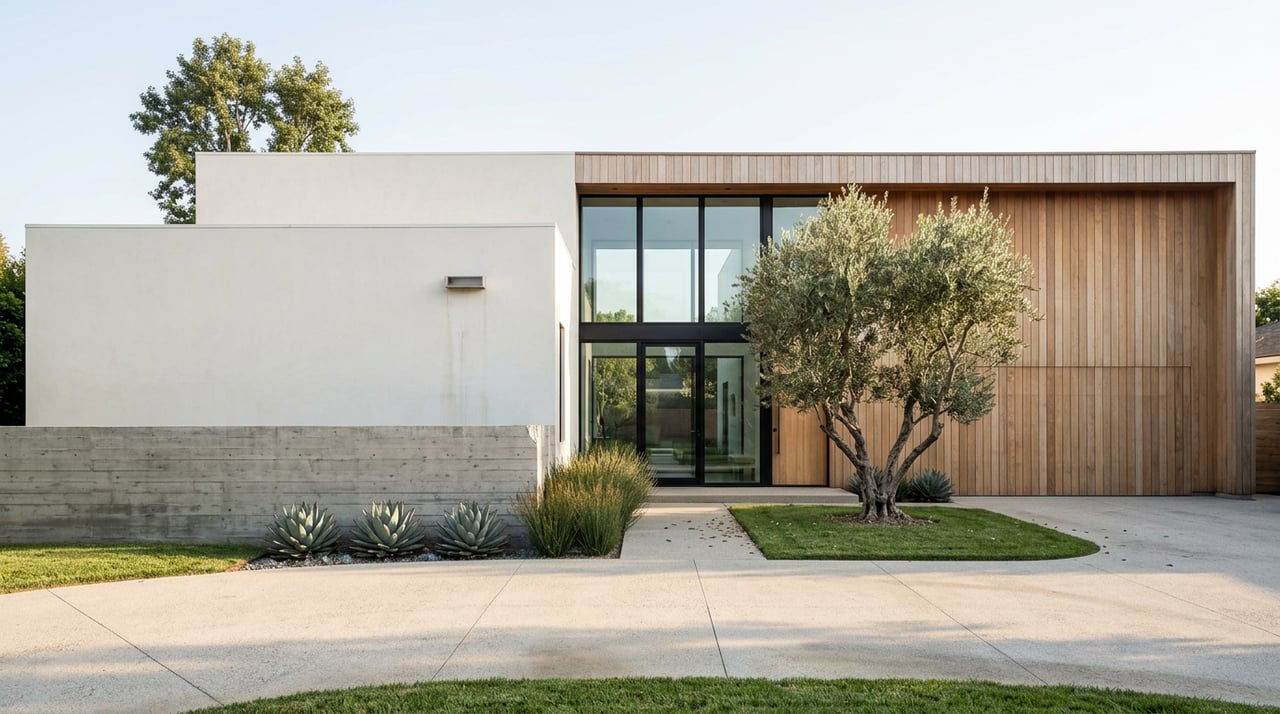
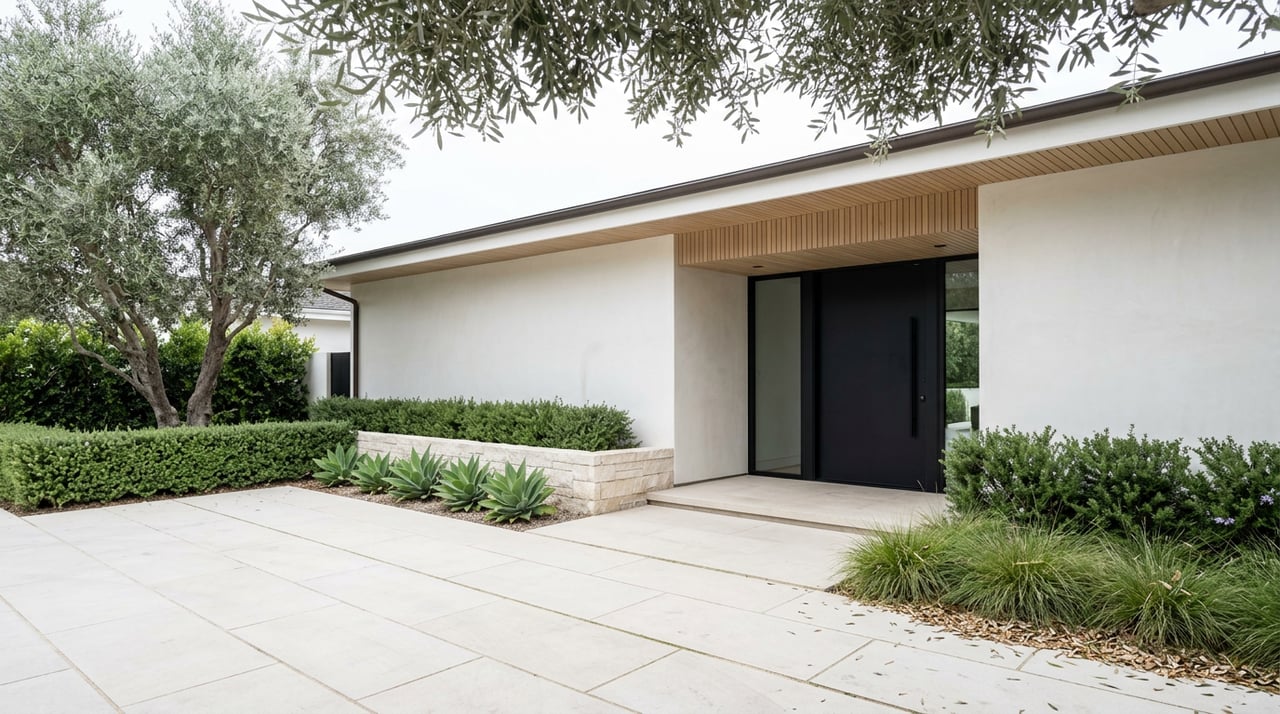
For a luxury property, preparation may include sharpening the home’s visual presentation, clarifying permit history where applicable, organizing disclosures, and aligning the marketing launch with the likely buyer pool. When your home enters the market with a polished story and fewer unanswered questions, buyers can focus more on value and less on uncertainty.
In a market as nuanced as La Jolla, multiple offers are not just a win. They are a moment that calls for structure, discretion, and experienced judgment. If you are preparing to sell a coastal luxury home and want a private, criteria-driven strategy, connect with Ryan Real Estate Group for a concierge conversation.
FAQs
How common are multiple offers on La Jolla luxury homes?
- Multiple offers still happen in La Jolla, but they are not guaranteed on every listing. Current market data shows strong demand in a premium market, while also showing that many homes still take weeks or longer to sell.
Does the highest offer always win on a La Jolla home sale?
- No. California guidance states that a seller may accept any offer they choose, and the most attractive offer may not be the highest one.
Can a La Jolla seller ask buyers for best and final offers?
- Yes. Asking for best and final terms is one of the standard ways sellers can manage multiple offers.
What terms matter most besides price in a La Jolla luxury offer?
- Contingencies, requested concessions, proof of funds or financing strength, deposit, and closing timeline often matter as much as price because they affect certainty and net proceeds.
Why do coastal permits matter when selling a La Jolla luxury home?
- For homes in the coastal zone or with major improvements, permit history and coastal development rules can affect buyer confidence, future plans, and negotiation leverage.
What hazard disclosures should La Jolla sellers expect?
- California requires disclosure of whether a property is in certain flood, fire, earthquake fault, or seismic hazard zones, and those issues may affect development options or insurance.
How should a La Jolla seller compare similar offers?
- Compare the likely net result, the level of contingency risk, the requested concessions, and the probability of closing on time rather than focusing only on the top-line price.